
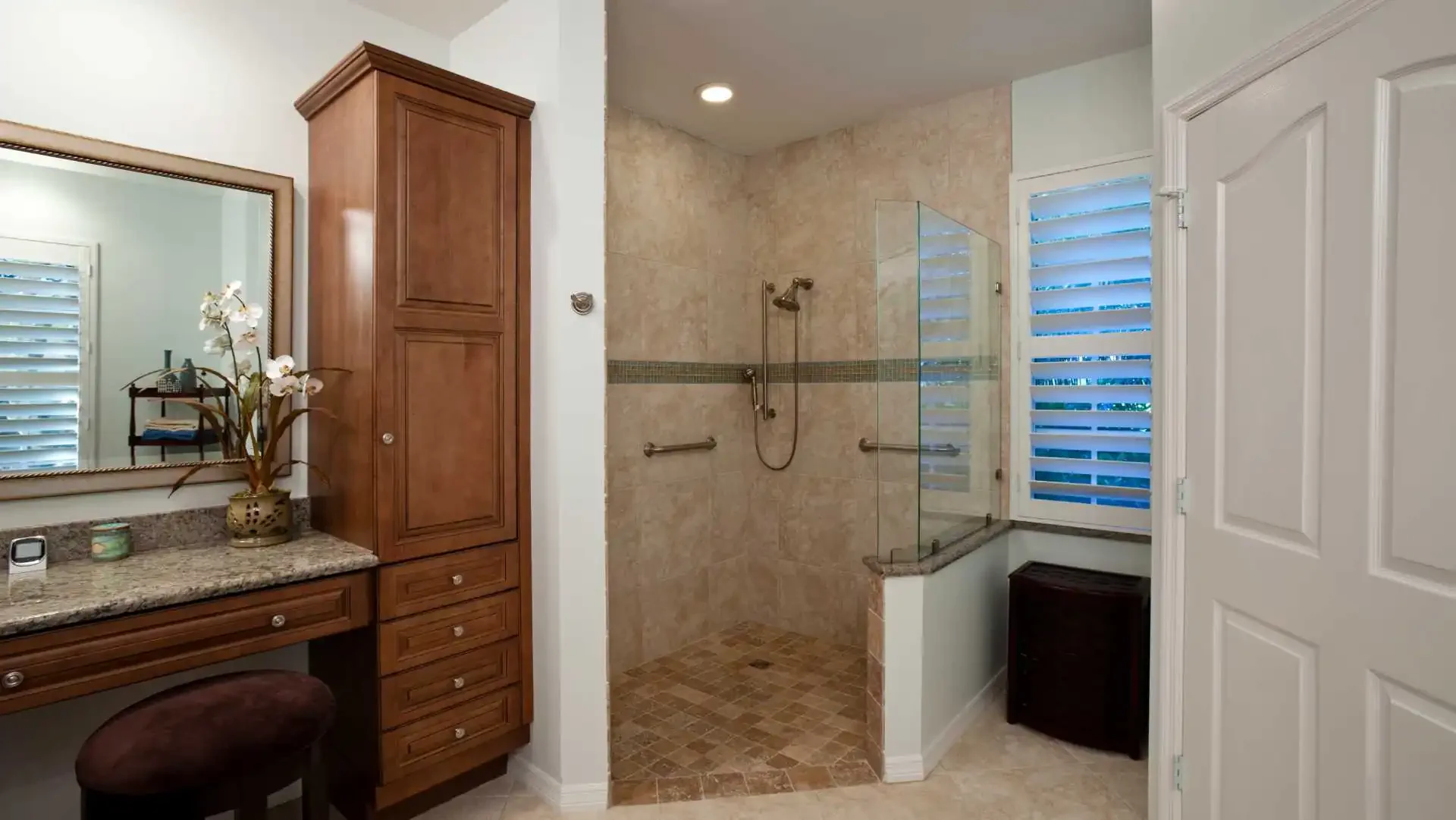
Creating a safe and comfortable bathroom is crucial for individuals with mobility issues. A well-designed space can significantly enhance their quality of life.
An accessible bathroom remodel can greatly improve safety and comfort. It’s essential to consider factors such as mobility, safety, and comfort when designing the space.
Key Takeaways
- Enhance safety with grab bars and non-slip flooring
- Improve mobility with a walk-in shower or tub
- Increase comfort with heated flooring and seating
- Consider the needs of individuals with disabilities
- Consult with a professional for a successful remodel
- Ensure the design is functional and aesthetically pleasing
Understanding the Need for an Accessible Bathroom
An accessible bathroom is not just a necessity; it’s a vital component of a safe and comfortable living environment. As we age or face mobility challenges, the bathroom can become a hazardous space if not designed with accessibility in mind.
Importance of Accessibility in Home Design
Accessibility in home design is crucial for creating a living space that is safe and enjoyable for everyone. It’s about more than just complying with regulations; it’s about enhancing the quality of life. An ADA compliant bathroom renovation ensures that the bathroom is usable by people of all ages and abilities.
Incorporating accessibility features into your bathroom design can significantly impact your daily life. For instance, a handicap accessible bathroom can provide independence and confidence, allowing individuals to maintain their personal hygiene without assistance.
Common Accessibility Challenges in Bathrooms
Bathrooms pose unique challenges due to the presence of water, slippery surfaces, and the need for privacy. Common issues include:
- Slippery floors and surfaces that can lead to falls
- Narrow spaces that make it difficult to maneuver
- High thresholds that can be barriers to entry
- Inadequate lighting that can cause visual difficulties
Addressing these challenges is essential for creating a safe and accessible bathroom. Simple modifications, such as installing grab bars or non-slip flooring, can make a significant difference.
Benefits of Remodeling for Accessibility
Remodeling your bathroom to make it more accessible can have numerous benefits, including:
- Enhanced Safety: Reducing the risk of falls and injuries
- Increased Independence: Allowing individuals to use the bathroom without assistance
- Improved Well-being: Enhancing overall comfort and quality of life
By investing in an ADA compliant bathroom renovation, homeowners can create a space that is not only safe and accessible but also beautiful and functional.
Key Features of an Accessible Bathroom
An accessible bathroom is designed with safety and usability in mind, incorporating several key features that make a significant difference in the daily lives of individuals with mobility issues.
One of the most critical aspects of an accessible bathroom is the incorporation of features that reduce the risk of falls and enhance overall usability. This includes walk-in showers and bathtubs, which eliminate the need to step over high thresholds, a common hazard in traditional bathroom designs.
Walk-in Showers and Bathtubs
Walk-in showers and bathtubs are designed to provide easy access, reducing the risk of slipping or falling. These fixtures can be customized with seats and grab bars to further enhance safety. For example, a walk-in tub with a built-in seat allows individuals to bathe comfortably without having to stand for extended periods.
- Easy entry and exit
- Optional seats for comfort
- Grab bars for additional support
Grab Bars and Handrails
Grab bars and handrails are essential for providing support and balance in the bathroom. Strategically placed near the toilet, shower, and bathtub, these fixtures help prevent falls by giving individuals something to hold onto when moving around the bathroom.
When installing grab bars, it’s crucial to ensure they are securely fastened to the wall to support the user’s weight. The diameter of the grab bars should also be comfortable for the user’s hand.
“Properly installed grab bars can significantly reduce the risk of bathroom falls.” –
National Institute on Aging
Comfort Height Toilets
Comfort height toilets, also known as “right height” toilets, are designed to be taller than standard toilets, making it easier for individuals to sit down and stand up. This feature is particularly beneficial for people with mobility issues, as it reduces strain on the knees and back.
When selecting a comfort height toilet, consider the overall height, flushing mechanism, and comfort features such as heated seats.
By incorporating these key features into your bathroom design, you can create a wheelchair accessible bathroom design that is both safe and comfortable for everyone.
Planning Your Accessible Bathroom Remodel
To ensure a successful accessible bathroom remodel, it’s crucial to plan meticulously. This involves understanding the individual’s needs, budgeting for necessary upgrades, and hiring professionals with experience in accessible design.
Assessing Individual Needs
Assessing the individual’s needs is the first step in planning an accessible bathroom remodel. This includes considering the user’s mobility, strength, and any specific challenges they face. For instance, installing a walk-in shower or a comfort height toilet can significantly enhance accessibility. It’s also essential to involve the user in the planning process to ensure that the remodel meets their specific requirements.
Budgeting for Accessibility Upgrades
Budgeting is a critical aspect of an accessible bathroom remodel. Homeowners should consider the costs of various accessibility upgrades, such as grab bars, non-slip flooring, and potentially, smart shower controls. Prioritizing these upgrades based on necessity and budget can help in managing costs effectively. It’s also worth exploring available financing options or rebates that might be available for making homes more accessible.
Hiring Qualified Professionals
Hiring professionals who have experience with accessible bathroom remodeling is vital. These experts can provide valuable insights into the latest accessible bathroom remodeling ideas and ensure that the remodel complies with relevant building codes and standards, such as the ADA guidelines. They can also help in selecting materials and fixtures that are both durable and aesthetically pleasing.
By carefully planning the remodel, assessing individual needs, budgeting appropriately, and hiring qualified professionals, homeowners can create a bathroom that is not only accessible but also safe and comfortable. This thoughtful approach enhances the quality of life for individuals with mobility issues, making daily routines easier and more manageable.
Design Ideas for Accessible Bathrooms
An inclusive bathroom renovation considers the needs of all users, creating a safe, comfortable, and beautiful space. When designing an accessible bathroom, it’s essential to balance functionality with aesthetics.
Open Floor Plans for Easy Movement
One of the key elements of an accessible bathroom is an open floor plan, which facilitates easy movement and navigation. By removing barriers and creating a more open space, individuals with mobility issues can move around more comfortably.
For example, replacing a traditional bathtub with a walk-in shower or installing a curbless shower can significantly enhance the bathroom’s accessibility.
Color Schemes that Promote Calmness
The color scheme of an accessible bathroom plays a crucial role in creating a calming environment. Soft, muted colors such as whites, creams, and gentle blues can promote relaxation and serenity.
- Soft whites and creams for a clean and serene look
- Gentle blues and greens to promote calmness
- Warm neutrals for a cozy atmosphere
Non-slip Flooring Options
Non-slip flooring is a critical component of an accessible bathroom, as it helps prevent slips and falls. There are various non-slip flooring options available, including textured tiles and rubber flooring.
When selecting flooring, it’s essential to consider both the slip-resistance and the overall aesthetic appeal. For instance, textured porcelain tiles can provide a safe and stylish solution.
Safety Considerations in Accessible Bathrooms
Safety is a top priority when designing an accessible bathroom. Ensuring that the bathroom is safe and comfortable for all users is crucial, particularly for individuals with disabilities or mobility issues.
Rounded Corners for Safety
Avoiding sharp corners and edges is a critical safety consideration. Sharp corners can lead to injuries, especially in a bathroom where the floor can be slippery. Using rounded corners and edges can significantly reduce this risk.
Benefits of Rounded Corners:
- Reduced risk of injury from falls
- Enhanced safety for children and the elderly
- A more welcoming and less intimidating bathroom environment
Importance of Good Lighting
Good lighting is essential in an accessible bathroom. It not only enhances visibility but also helps prevent falls by illuminating potential hazards. Proper lighting can make a significant difference in the usability of the bathroom.
“Good lighting can reduce the risk of falls and make the bathroom a safer space.” – Expert in Accessible Design
Some effective lighting strategies include:
- Installing LED lights, which are bright and energy-efficient
- Using motion-sensor lights to automatically turn on/off lights
- Ensuring that lighting is evenly distributed to minimize shadows
Ventilation for Moisture Control
Proper ventilation is critical for controlling moisture in the bathroom, which can lead to mold and mildew. A well-ventilated bathroom is not only safer but also healthier. When planning a barrier-free bathroom remodel, incorporating effective ventilation systems is vital.
| Ventilation Method | Benefits |
|---|---|
| Exhaust Fans | Effective at removing moisture and reducing mold growth |
| Windows | Provide natural ventilation and can be cost-effective |
| Ventilation Systems | Can be integrated into the bathroom design for optimal airflow |
Materials and Finishes for Durability
Selecting the right materials and finishes is essential for creating a bathroom that is not only accessible but also durable and easy to maintain. The bathroom environment, with its moisture and frequent water exposure, demands materials that can withstand these conditions.
Water-Resistant Materials
Using water-resistant materials is crucial in an accessible bathroom, especially around areas like the shower and bathtub. Porcelain and ceramic tiles are popular choices due to their water resistance and durability. For an accessible shower installation, consider materials that are not only water-resistant but also provide slip resistance.
- Porcelain and ceramic tiles
- Natural stone with proper sealing
- Waterproof membranes for shower areas
Easy-to-Clean Surfaces
Easy-to-clean surfaces are a practical choice for accessible bathrooms, reducing maintenance efforts. Smooth surfaces without intricate designs or crevices are best as they prevent dirt and grime accumulation. Consider using materials like quartz countertops that are both durable and easy to clean.
- Quartz countertops
- Solid surface materials for sinks and vanities
- Glazed tiles for walls and floors
Eco-Friendly Options for Renovation
Incorporating eco-friendly options into your bathroom renovation not only benefits the environment but can also enhance the bathroom’s durability and healthiness. Look for materials that are sustainable, recycled, or have low VOC (Volatile Organic Compounds). Recycled glass tiles and bamboo flooring are excellent eco-friendly choices.
- Recycled glass tiles
- Bamboo flooring
- Low VOC paints and coatings
Government Regulations and Standards
Compliance with government standards is essential for a successful accessible bathroom renovation. Ensuring that your bathroom remodel adheres to these regulations not only guarantees a safe and accessible space but also avoids potential legal issues.
Understanding the ADA Guidelines
The Americans with Disabilities Act (ADA) provides a comprehensive framework for designing accessible bathrooms. Key aspects include:
- Minimum clearance requirements around fixtures
- Grab bar installations
- Non-slip flooring
- Accessible shower and bathtub designs
As noted by the ADA, “The goal is to provide equal access to facilities for individuals with disabilities.”
“The ADA Standards for Accessible Design set the parameters for what makes a facility accessible, from the height of counters to the space required for wheelchair maneuverability.”
Local Building Codes to Consider
Beyond ADA guidelines, local building codes may impose additional requirements. These can vary significantly by jurisdiction, so it’s crucial to consult with local authorities.
| Regulation | ADA Guidelines | Local Building Codes |
|---|---|---|
| Grab Bar Requirements | Mandatory | Varies by jurisdiction |
| Non-slip Flooring | Recommended | Often mandatory |
| Wheelchair Clearance | Minimum 60 inches diameter | May exceed ADA minimums |
Obtaining Required Permits
Before commencing your bathroom remodel, obtaining the necessary permits is crucial. This process ensures that your project complies with local regulations and standards.
Tip: Always verify the specific permits required with your local building authority to avoid project delays.
Incorporating Technology in Your Remodel
Technology plays a crucial role in creating an accessible bathroom that meets the needs of all users. By integrating smart technologies, homeowners can enhance the safety, comfort, and overall functionality of their bathroom.
Smart Shower Controls
Smart shower controls offer a convenient and safe way to manage water temperature and flow. These systems can be operated with ease, even with wet hands, making them ideal for individuals with limited dexterity.
Key Benefits:
- Easy to operate
- Customizable temperature settings
- Water conservation features
Voice-Activated Lighting
Voice-activated lighting systems provide an additional layer of convenience and accessibility. By using voice commands, users can adjust lighting levels to suit their needs, enhancing the overall bathroom experience.
Benefits include:
- Enhanced safety through adjustable lighting
- Increased convenience with hands-free operation
- Energy efficiency through optimized lighting usage
Emergency Call Systems
Emergency call systems are a critical feature in accessible bathrooms, providing a quick and reliable means of calling for assistance in case of an emergency.
| System Type | Description | Benefits |
|---|---|---|
| Pull Cord Systems | Simple, manual systems activated by a pull cord | Reliable, easy to use |
| Wireless Call Systems | Advanced systems using wireless technology for emergency calls | Flexible, can be used in various locations |
By incorporating these technological advancements, homeowners can create a bathroom that is not only accessible but also highly functional and safe.
Maintaining Your Accessible Bathroom
The longevity and safety of an accessible bathroom depend on consistent maintenance and care. An ADA compliant bathroom renovation is not just about initial design and installation; it’s also about ensuring that the space remains functional and safe over time.
Regular maintenance is key to preventing issues that could compromise the bathroom’s accessibility. This includes checking for and addressing any potential problems before they become major concerns.
Routine Maintenance Tips
To keep your bathroom in good condition, follow these routine maintenance tips:
- Regularly inspect the bathroom for signs of wear and tear, such as leaks or damaged flooring.
- Ensure that grab bars and handrails are secure and functioning properly.
- Check the condition of non-slip flooring and replace it if necessary.
- Maintain good ventilation to prevent moisture buildup, which can lead to mold and mildew.
Keeping Fixtures in Good Condition
Fixtures in an accessible bathroom should be regularly inspected and maintained to ensure they remain in good working order. This includes:
| Fixture | Maintenance Task | Frequency |
|---|---|---|
| Grab Bars | Check for secure mounting and corrosion | Every 6 months |
| Non-slip Flooring | Inspect for damage and clean thoroughly | Weekly |
| Comfort Height Toilets | Check for proper functioning and cleanliness | Daily |
Accessibility Upgrades Over Time
As needs change over time, it may be necessary to make wheelchair accessible bathroom design upgrades to maintain the bathroom’s accessibility. This could involve:
- Installing new fixtures or technologies that enhance accessibility.
- Modifying the layout to better accommodate changing needs.
- Upgrading materials and finishes to improve durability and ease of maintenance.
By prioritizing maintenance and making necessary upgrades, homeowners can ensure their accessible bathroom remains safe and functional for years to come.
Real-Life Examples of Accessible Bathroom Remodels
Homeowners across the country are discovering the benefits of accessible bathroom remodeling ideas that combine style and practicality. By examining real-life examples, individuals can gain valuable insights into creating a safe, comfortable, and beautiful bathroom.
Successful Projects
Several homeowners have successfully transformed their bathrooms into accessible spaces. For instance, a family in California renovated their bathroom to include a walk-in tub and grab bars, significantly enhancing safety for their elderly parents who visit regularly.
Another example is a couple in New York who opted for an inclusive bathroom renovation, incorporating a roll-in shower and comfort height toilet. Their remodel not only improved accessibility but also increased their home’s value.
“The remodel was a game-changer for us. Our bathroom is now not only accessible but also a serene retreat.” –
Homeowner Testimonial
Testimonials from Homeowners
Homeowners who have undergone accessible bathroom remodels often share their positive experiences. One homeowner noted, “The process was smoother than we expected, and the result is a bathroom that is both functional and stylish.”
- Increased safety and comfort
- Enhanced aesthetic appeal
- Better functionality for all users
Before and After Comparisons
Before-and-after comparisons vividly illustrate the transformation that an accessible bathroom remodel can achieve. For example, a bathroom that previously had a traditional tub and standard-height toilet was remodeled to include a walk-in shower and comfort height toilet, significantly improving accessibility.
| Feature | Before | After |
|---|---|---|
| Shower/Tub | Traditional tub | Walk-in shower |
| Toilet Height | Standard height | Comfort height |
| Grab Bars | None | Installed |
Conclusion: Creating Your Perfect Accessible Bathroom
Transforming your bathroom into a barrier-free space is a significant step towards enhancing your home’s accessibility and comfort. A well-planned universal design bathroom remodel not only improves safety but also boosts the overall value of your property.
Key Takeaways
Throughout this article, we’ve explored the essential elements of an accessible bathroom, including walk-in showers, grab bars, and comfort height toilets. We’ve also discussed the importance of planning, budgeting, and hiring qualified professionals for your barrier-free bathroom remodel.
Next Steps
Now that you’re equipped with the knowledge to create your perfect accessible bathroom, it’s time to get started. Consider your individual needs, assess your bathroom’s current state, and begin planning your universal design bathroom remodel.
Further Resources
For additional guidance and inspiration, explore online resources, consult with professionals, and review local building codes to ensure your remodel meets all necessary standards. With careful planning and execution, your accessible bathroom will become a safe, comfortable, and enjoyable space.


