Ohio sits squarely in IECC Climate Zone 5, classified as a heating-dominated region where winters demand serious attention to home energy efficiency. For Ohio homeowners, winter-ready remodeling means strategic upgrades to insulation, windows, and basements that directly combat the state’s cold temperatures and rising energy costs. These improvements aren’t just about comfort—they’re about protecting your investment and reducing monthly expenses that continue climbing year after year.
The numbers tell a compelling story. Between 30-40% of household heat escapes through poorly insulated attics alone, making this single area responsible for a substantial portion of wasted energy dollars. Ohio experiences 5,500-6,000 heating degree days annually, placing significant thermal demands on residential structures throughout the heating season. Average Ohio heating costs now range from $112-124 per month during winter months, with Midwest households projected to pay 14.4% more this heating season compared to last year. That translates to average heating bills reaching $938, up from $820 the previous season.
Ohio building code recognizes these challenges and allows R-38 insulation to satisfy R-49 requirements when full-height insulation extends over wall top plates at eaves—a critical detail that prevents ice dams common in Cleveland and northern Ohio communities. Understanding these regional requirements helps homeowners make informed decisions about which upgrades deliver the greatest return on investment.
Why Do Ohio Basements Have Moisture and Foundation Problems?
Ohio’s clay-heavy soils create distinct basement challenges that differ from other regions. Understanding these regional factors helps homeowners address root causes rather than merely treating symptoms.
Clay soil can exert 5,000 pounds per square foot of upward pressure when saturated, creating tremendous stress on foundation walls and floors. The “clay bowl effect” compounds this problem: when contractors backfill around foundations after construction, the disturbed soil remains looser than surrounding native clay, causing the backfill zone to collect water like a bathtub directing moisture toward foundation walls.
How Freeze-Thaw Cycles Damage Foundations
- Frost heave pushes foundations upward as frozen soil expands beneath footings
- Water in existing cracks freezes and widens them nightly during temperature fluctuations
- Repeated cycles cause soil shifting that creates uneven foundation pressure
- Annual foundation inspections before and after winter are recommended for all Ohio homeowners
What Are the Best Basement Waterproofing Methods for Ohio Homes?
Methods for Ohio Homes?
Waterproofing approaches fall into two broad categories: interior systems that manage water after it enters, and exterior systems that prevent water from reaching foundation walls. Each approach carries distinct advantages and cost profiles suited to different severity levels.
Basement Waterproofing Methods Comparison
| Method | Cost Range | Best Application |
|---|---|---|
| Interior French drain + sump pump | $3,500-$8,000 | Mild-moderate moisture, year-round installation |
| Interior waterproof sealants | $3-$8/sq ft | Surface moisture management |
| Vapor barriers | $1.00-$1.50/sq ft | Preventing moisture migration |
| Exterior French drain | $10-$50/linear ft | Severe problems, high water tables |
| Full exterior waterproofing | $10,000-$35,000 | Most comprehensive, 30+ year solution |
Interior Waterproofing Advantages
- Faster installation typically completed in 1-2 days
- Can be installed year-round regardless of weather conditions
- Lower cost with average complete systems running $4,500-$10,000
- Appropriate solution for most Ohio homes with typical moisture challenges
Exterior Waterproofing Advantages
- Addresses moisture at its source before it reaches foundation walls
- Lasts 30+ years when properly installed
- Provides the most comprehensive protection available
- Only justified for severe water intrusion or high water tables common in the Cincinnati area
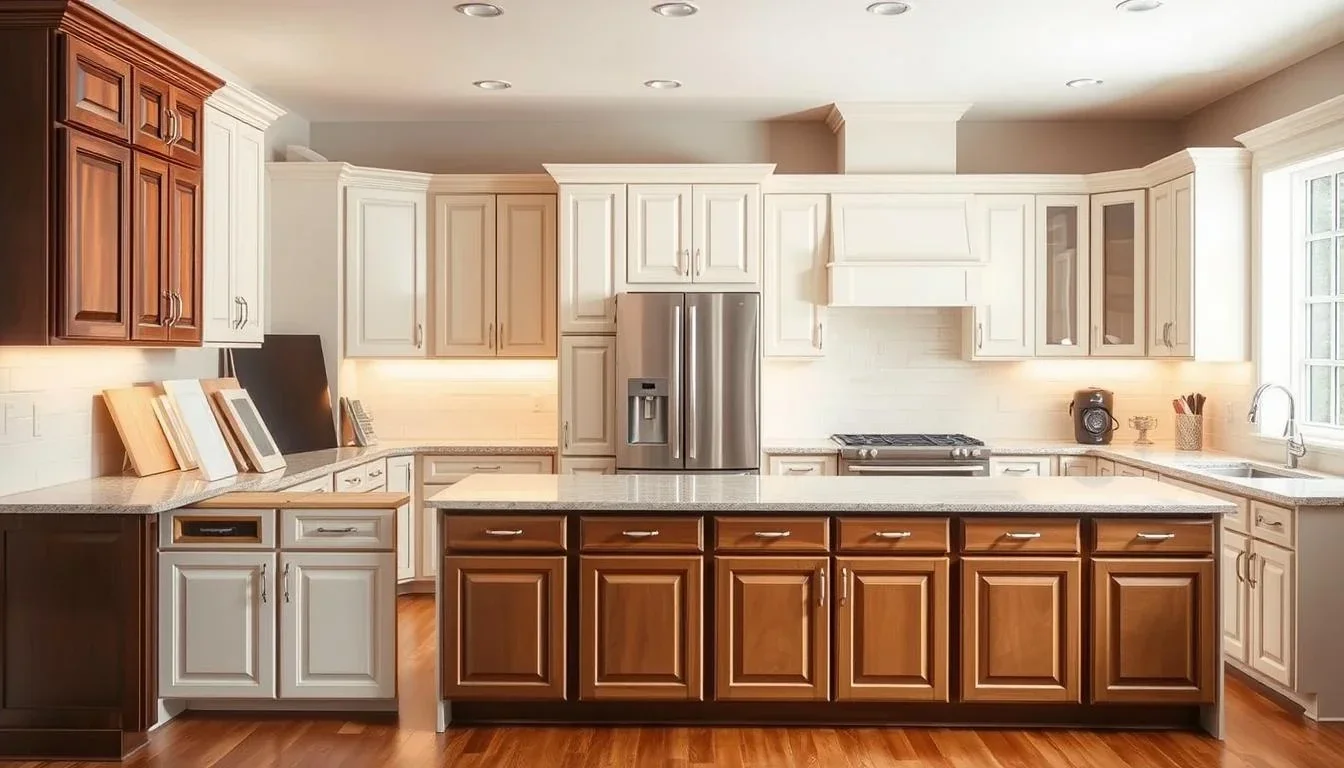
Opting for Surface Updates
Choose surface renewal when:
- Existing frameworks remain sturdy and square
- Current storage layouts meet daily needs
- Budget constraints limit major construction
Professionals assess hinge functionality, box alignment, and material integrity before recommending solutions. “We’ve transformed spaces in three days that would’ve required three weeks with full demolition,” notes a local renovation specialist.
How Should Ohio Homeowners Prioritize Winter Remodeling Projects?
Strategic sequencing maximizes both comfort improvements and financial returns. The recommended approach addresses highest-impact projects first while ensuring foundational issues like moisture don’t undermine subsequent investments.
Recommended Upgrade Sequence for Maximum ROI
- Basement moisture remediation — must precede any basement finishing work
- Foundation repairs — address structural issues before cosmetic improvements
- Window replacements — prioritize single-pane or severely degraded windows first
Combining Duke Energy rebates (up to $800 for windows) with federal tax credits (up to $600 for windows, $500 for doors) creates meaningful savings on window replacement projects. Homeowners who delay past December 2025 permanently forfeit federal credits with no opportunity to recapture these savings.
What Are the Next Steps for Winter-Ready Remodeling in Dayton Ohio?
Ohio homeowners face a narrow window of exceptional opportunity. Rising heating costs, generous utility rebates, and substantial federal tax credits create favorable conditions for energy upgrades—but the December 31, 2025 deadline for federal credits adds urgency to planning and execution.
Dream Big Contracting LLC specializes in window replacements and basement improvements throughout Ohio. Our team understands the unique challenges of Climate Zone 5 construction and can help you navigate both the technical requirements and available incentives to maximize your investment.
Contact us today to schedule a free consultation. We’ll evaluate your home’s current condition, identify priority improvements, and help you capture available rebates and tax credits before they expire. Don’t let another expensive heating season pass without taking action—the savings start the moment your upgrades are complete.