
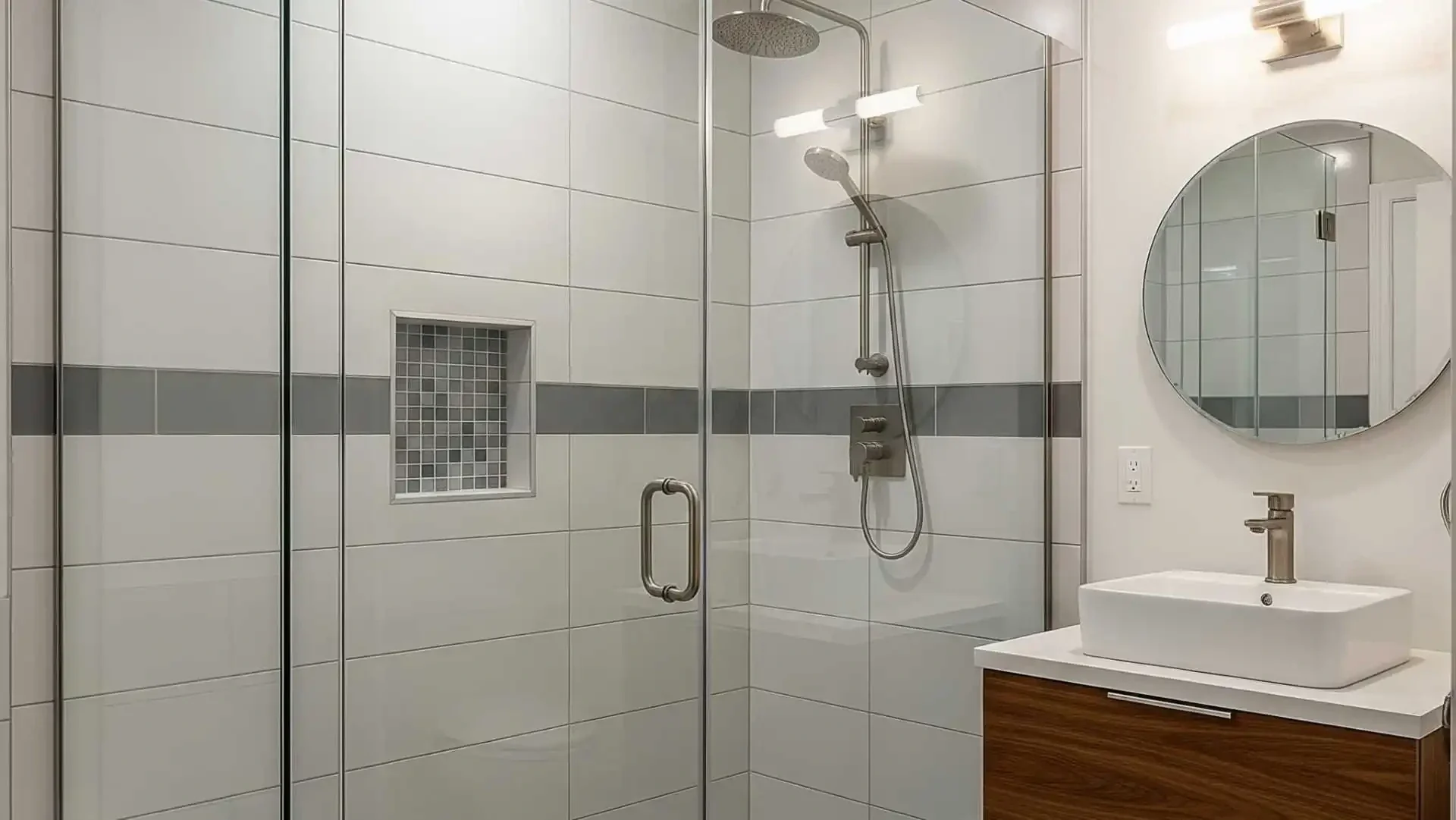
Upgrading your bathroom with a seamless bathtub to shower conversion can significantly enhance the functionality and aesthetic appeal of your space. This process involves replacing an existing bathtub with a shower, creating a more accessible and modern bathroom.
Whether you’re looking to improve safety, increase property value, or simply update your bathroom’s style, a bathroom renovation can be a worthwhile investment. With various bathroom renovation ideas available, homeowners can choose a design that suits their needs and budget.
Key Takeaways
- Enhance bathroom safety and accessibility with a shower conversion.
- Increase property value with modern bathroom upgrades.
- Explore various bathroom renovation ideas to suit your style and budget.
- Understand the costs associated with bathroom upgrade costs.
- Learn about the process and benefits of a bathtub to shower conversion.
Understanding Bathtub to Shower Conversion
Converting your bathtub to a shower is a practical solution for homeowners looking to upgrade their bathroom experience. This renovation project not only enhances the aesthetic appeal of your bathroom but also improves functionality and safety.
What is a Bathtub to Shower Conversion?
A bathtub to shower conversion involves removing the existing bathtub and replacing it with a shower area. This process can be as simple or as complex as you desire, depending on your design preferences and the existing layout of your bathroom. The conversion can include installing a shower conversion kit, which typically includes everything needed to complete the project, from the shower pan to the necessary plumbing fixtures.
Benefits of Converting Your Bathtub
There are several benefits to converting your bathtub to a shower. Firstly, it can significantly improve bathroom safety, especially for older adults or young children, by eliminating the need to step over a bathtub wall. Secondly, a walk-in shower can enhance the overall aesthetic appeal of your bathroom, giving it a more modern and sleek look. Lastly, a well-designed shower area can increase your home’s value and make the bathroom more functional.
Ideal Bathroom Layouts for Showers
The ideal bathroom layout for a shower conversion depends on several factors, including the available space and your personal preferences. For smaller bathrooms, a curbless shower can create the illusion of more space and improve accessibility. Larger bathrooms offer more flexibility, allowing for the inclusion of additional features such as shower seats and shelving. Regardless of the size, a well-planned shower area can greatly enhance your bathroom experience.
Key Considerations Before Conversion
Before embarking on a bathtub to shower conversion, it’s essential to consider several critical factors that will impact the success of your project.
Assessing Your Bathroom Space
Assessing your bathroom space is a crucial step in determining the feasibility of the conversion and planning the layout effectively. You need to measure your bathroom accurately, considering the location of plumbing fixtures, electrical outlets, and any other elements that could affect the conversion.
Key factors to assess include:
- The size and shape of your bathroom
- The location of existing plumbing and electrical components
- Any structural elements that could impact the conversion
Plumbing and Electrical Considerations
Plumbing and electrical considerations are vital aspects of a bathtub to shower conversion. You may need to reconfigure plumbing lines and electrical connections to accommodate the new shower setup.
Some key considerations include:
- Relocating or modifying plumbing fixtures
- Ensuring adequate electrical supply for shower lighting and heating
- Compliance with local building codes and regulations
Budgeting for the Project
Budgeting is a critical aspect of your bathtub to shower conversion project. The shower conversion cost can vary widely depending on materials, labor, and other factors.
| Component | Average Cost | Factors Affecting Cost |
|---|---|---|
| Shower Pan or Base | $300 – $1,500 | Material, size, and brand |
| Tile and Grouting | $800 – $3,000 | Type of tile, labor costs |
| Shower Fixtures | $200 – $1,000 | Brand, quality, and features |
| Labor Costs | $1,000 – $3,000 | Complexity of the job, location |
Understanding these costs and factors can help you plan your bathroom upgrade costs more effectively and avoid unexpected expenses.
When hiring a tub to shower conversion company, be sure to get detailed quotes and ask about any potential additional costs to ensure a successful conversion within your budget.
Popular Shower Designs
When it comes to bathtub to shower conversions, the design of the shower area plays a crucial role in enhancing the overall bathroom experience. A well-designed shower can significantly impact the functionality and aesthetic appeal of the bathroom.
Homeowners have a variety of shower designs to choose from, each with its unique benefits and characteristics. The choice of design depends on factors such as available space, budget, and personal preferences.
Walk-in Showers
Walk-in showers are a popular choice for bathtub to shower conversions, offering ease of access and a modern look. They are particularly beneficial for individuals with mobility issues, as they eliminate the need to step over a bathtub wall. When planning a walk-in shower, it’s essential to consider the shower remodeling contractor‘s expertise to ensure a waterproof and functional design.
- Provide easy access, ideal for seniors or those with mobility issues
- Can be customized with various tile options and seating
- Often feature large glass enclosures to enhance the sense of space
Curbless Shower Options
Curbless showers provide a seamless transition between the shower area and the rest of the bathroom, creating a spacious and open feel. This design is achieved by eliminating the traditional curb or threshold, making it easier to move in and out of the shower. Curbless showers are considered a premium bathroom renovation idea, enhancing the bathroom’s luxury feel.
- Enhance the bathroom’s aesthetic appeal with a sleek, modern look
- Improve accessibility by removing barriers
- Require careful planning to ensure proper water drainage
Shower-tub Combos
Shower-tub combos cater to households with diverse needs, offering the convenience of both a shower and a bathtub in one unit. These combos are particularly useful for families with young children or for those who enjoy soaking in a tub. Utilizing a shower conversion kit can be an efficient way to achieve this combo, especially during a bathtub to shower conversion.
In conclusion, the choice of shower design is a critical aspect of bathtub to shower conversions. Whether opting for a walk-in shower, a curbless shower, or a shower-tub combo, homeowners should consider their specific needs, the available space, and their budget to make an informed decision.
Choosing the Right Materials
The right materials can make or break the functionality and look of your new shower. When it comes to a successful bath tub to shower conversion or tub to shower remodel, the materials you choose play a critical role.
Best Flooring Options for Showers
Selecting the best flooring for your shower is essential for safety and durability. Slip-resistant tiles are highly recommended for shower floors due to their ability to prevent slips and falls. Materials like porcelain or ceramic tiles are popular choices because they are durable and can withstand constant water exposure.
| Flooring Material | Slip Resistance | Durability | Maintenance |
|---|---|---|---|
| Porcelain Tile | High | High | Easy |
| Ceramic Tile | High | High | Easy |
| Natural Stone | Medium | High | Moderate |
Wall Materials: Tile vs. Acrylic
When deciding on wall materials for your shower, you have several options, with tile and acrylic being among the most popular. Tile is favored for its durability and aesthetic versatility, while acrylic shower walls offer a seamless, easy-to-clean alternative.
- Tile: Offers a wide range of styles and is highly durable.
- Acrylic: Provides a seamless installation and is easy to maintain.
Shower Fixtures and Accessories
Shower fixtures and accessories can significantly enhance your shower experience. Consider installing a rainfall showerhead for a luxurious feel or grab bars for added safety. Shelving and seating can also be integrated into your shower design to improve functionality.
By carefully selecting the right materials and shower fixtures for your bath tub to shower conversion, you can create a shower space that is both beautiful and functional.
The Conversion Process Explained
A successful bathtub to shower conversion requires a thorough understanding of the steps involved. Homeowners must consider several factors, from assessing their bathroom space to choosing the right materials for their new shower.
Step-by-Step Overview
The conversion process begins with an initial assessment of the bathroom, including the existing plumbing and electrical setup. This step is crucial for determining the complexity of the project and identifying potential challenges.
- Disconnect and remove the existing bathtub
- Inspect and modify the plumbing and electrical systems as necessary
- Prepare the area for the new shower, including any necessary waterproofing
- Install the new shower components, such as the shower pan, walls, and fixtures
Each step requires careful planning and execution to ensure a successful conversion.
Hiring a Professional vs. DIY
One of the critical decisions homeowners face is whether to hire a professional or undertake the conversion as a DIY project. While hiring a professional ensures expertise and potentially saves time, a DIY approach can be cost-effective for those with the necessary skills.
Consider the following when making your decision:
- The complexity of your project
- Your level of experience with similar projects
- The potential cost savings of a DIY approach versus the convenience of hiring a professional
Typical Timeline for Conversion
The timeline for a bathtub to shower conversion can vary significantly depending on the project’s complexity, the availability of materials, and the labor schedule. On average, a straightforward conversion can take anywhere from a few days to a couple of weeks.
For a more accurate estimate, it’s essential to consult with a tub to shower conversion company that can assess your specific needs and provide a detailed timeline.
By understanding the conversion process and planning accordingly, homeowners can achieve their desired bathroom renovation ideas while minimizing potential disruptions to their daily routine.
Essential Tools for DIY Enthusiasts
A successful DIY shower conversion starts with having the essential tools at your disposal. This ensures that the project is completed efficiently and effectively, minimizing potential risks and complications.
Must-have Tools for Shower Conversion
To undertake a bathtub to shower conversion, you’ll need a variety of tools. These include:
- Tile cutters for precise tile adjustments.
- Drills for making holes for shower fixtures.
- Plumbing fixtures such as shower heads and handles.
- Wrenches for tightening and loosening plumbing connections.
Additionally, a shower conversion kit can be incredibly useful, as it often includes all the necessary components for the conversion, such as the shower pan, walls, and door. This can simplify the process, especially for those new to DIY projects.
Safety Gear for DIY Projects
Safety should always be a top priority when undertaking a DIY shower conversion. Essential safety gear includes:
- Gloves to protect your hands from cuts and abrasions.
- Goggles to safeguard your eyes from debris.
- Dust mask to prevent inhalation of dust and particles.
By equipping yourself with the right tools and safety gear, you can ensure a successful tub to shower remodel that enhances your bathroom’s functionality and aesthetic appeal.
Addressing Common Concerns
As homeowners embark on a bathtub to shower conversion journey, they must confront and resolve several key concerns to ensure a satisfactory outcome. A successful conversion not only enhances the bathroom’s functionality but also addresses critical issues such as safety, drainage, and privacy.
Increasing Bathroom Safety
Safety is a paramount concern, especially for households with elderly or young members. To increase bathroom safety, consider installing grab bars near the shower area, which provide support and balance. Additionally, non-slip flooring is crucial in preventing slips and falls. Walk-in showers, with their low or no threshold, significantly reduce the risk of tripping.
- Install grab bars near the shower entrance and inside the shower.
- Choose non-slip flooring materials, such as textured tiles or mats.
- Consider a walk-in shower design to minimize tripping hazards.
Managing Water Drainage Issues
Effective water drainage is essential for a functional shower. To manage water drainage issues, ensure the shower floor is properly sloped towards the drain. A linear drain can be an efficient solution, providing a sleek and modern look while enhancing drainage. Regular cleaning of the drain and checking for blockages are also crucial maintenance tasks.
According to a plumbing expert, “A well-designed drainage system is key to preventing water accumulation and ensuring a safe showering experience.”
“A well-designed drainage system is key to preventing water accumulation and ensuring a safe showering experience.”
– Plumbing Expert
Maintaining Privacy in Shower Areas
Maintaining privacy in shower areas can be achieved through various design choices. Shower curtains or doors are traditional solutions that can be both functional and stylish. For a more modern look, frosted glass or privacy screens can be used to obscure the view while still allowing natural light to filter in.
- Use shower curtains or doors for a traditional and private shower area.
- Opt for frosted glass or privacy screens for a modern aesthetic.
- Consider the overall bathroom layout to maximize privacy.
Enhancing Your Shower Experience
Enhancing your shower experience involves more than just a new fixture; it’s about creating a relaxing retreat that rejuvenates both body and mind. By incorporating the right features, you can transform a standard shower into a luxurious oasis.
Adding Shower Seats and Shelving
One of the simplest ways to enhance your shower is by adding a seat. Shower seats provide a comfortable place to sit while bathing, making the experience more enjoyable, especially for older adults or those with mobility issues. Additionally, shelving within the shower allows for easy access to toiletries, keeping the floor clear and reducing clutter.
Benefits of Shower Seats and Shelving include enhanced safety, convenience, and a more spa-like experience. When choosing seats and shelving, consider materials that are resistant to water and humidity, such as teak or waterproof synthetic materials.
Smart Shower Technology
Smart shower technology is revolutionizing the way we experience our daily showers. With features like temperature control, rainfall showerheads, and even voice-activated controls, smart showers offer a personalized bathing experience. These systems can be programmed to your preferred settings, ensuring a consistent and comfortable shower every time.
Popular Smart Shower Features include thermostatic mixing valves that maintain a constant water temperature, and digital controls that allow you to save your preferred settings. Some systems even integrate with your home’s smart network, enabling control via smartphone apps.
Lighting Options for Showers
Lighting can dramatically change the ambiance of your shower. LED lights, in particular, are a popular choice due to their energy efficiency and durability. They can be installed in various locations, including within the shower niche or around the perimeter of the shower area, to create a warm and inviting glow.
Tips for Choosing Shower Lighting include selecting lights that are specifically rated for wet locations to ensure safety. Consider dimmable options to adjust the lighting to your mood or the time of day, enhancing the overall shower experience.
Budget-Friendly Tips for Your Conversion
A bathtub to shower conversion is a practical solution for homeowners looking to modernize their bathroom without breaking the bank. Managing the cost of such a project is crucial, and there are several strategies to make it more affordable.
Cost-Effective Materials
Selecting the right materials can significantly impact the overall cost of your bathtub to shower conversion. Affordable tile options, such as ceramic or porcelain tiles, offer durability and aesthetic appeal at a lower cost compared to natural stone. Additionally, prefabricated shower units can simplify the installation process and reduce labor costs.
Some cost-effective material options include:
- Ceramic or porcelain tiles for flooring and walls
- Prefabricated shower units for a streamlined installation
- Acrylic or fiberglass shower surrounds for ease of maintenance
| Material | Cost Range | Durability |
|---|---|---|
| Ceramic Tile | $3-$5 per sq. ft. | High |
| Prefabricated Shower Unit | $800-$1,500 | Medium to High |
| Acrylic Shower Surround | $300-$800 | Medium |
Financing Options for Homeowners
For many homeowners, financing is a viable option to manage the upfront costs of a bathtub to shower conversion. Home equity loans and personal loans are popular choices, offering competitive interest rates and flexible repayment terms.
When considering financing options, it’s essential to:
- Compare interest rates from multiple lenders
- Assess the loan terms and repayment conditions
- Evaluate the impact on your overall financial situation
By choosing cost-effective materials and exploring financing options, homeowners can achieve a successful bathtub to shower conversion that fits within their budget.
Maintenance Tips Post-Conversion
Maintaining your shower post-conversion is vital for both its appearance and durability. A well-maintained shower not only enhances the overall look of your bathroom but also ensures a safe and healthy environment.
Regular Cleaning Schedule
Establishing a regular cleaning schedule is crucial to prevent the buildup of soap scum, mildew, and mineral deposits. Use a mild cleanser and a soft cloth to wipe down the shower walls and floor after each use. For tougher stains, consider using a product specifically designed to combat soap scum and mildew.
Daily Maintenance Tips:
- Squeegee the shower walls and door after use to prevent water spots.
- Clean the shower floor and walls with a mild cleanser.
- Dry the shower area thoroughly to prevent mildew.
Preventative Maintenance for Durability
Preventative maintenance is key to extending the life of your shower. Regularly inspect the shower area for any signs of wear and tear, such as cracked tiles or loose grout. Addressing these issues promptly can prevent more significant problems from developing.
Long-term Maintenance Strategies:
- Check and replace worn-out seals around the shower door and other openings.
- Ensure proper drainage by checking the shower floor’s slope and clearing any debris from the drain.
- Regrout or recaulk as needed to maintain the integrity of the shower area.
By following these maintenance tips, you can enjoy your new shower for years to come, ensuring it remains a safe, functional, and beautiful part of your bathroom.
Real-Life Bath to Shower Conversion Examples
Exploring real-life bath to shower conversions reveals the transformative power of this renovation project. Homeowners who have undertaken this journey share their experiences, highlighting the challenges, successes, and the significant impact on their daily lives.
Homeowner Testimonials
Many homeowners have seen a significant improvement in their bathroom’s functionality and aesthetic appeal after converting their bathtub to a shower. For instance, Sarah Johnson, a homeowner from California, shared her experience:
“The conversion to a walk-in shower has been a game-changer for me, especially as I’ve grown older. It’s much safer and easier to use than our old bathtub.”
Another homeowner, Mark Davis, noted,
“We were initially hesitant about the cost, but the benefits far outweigh the initial investment. Our bathroom now feels like a spa.”
Before and After Transformations
The visual impact of a bath to shower conversion can be dramatic. The following table illustrates some key differences:
| Feature | Before Conversion | After Conversion |
|---|---|---|
| Shower Type | Bathtub with shower curtain | Walk-in shower with glass enclosure |
| Flooring | Old, worn-out tiles | New, slip-resistant porcelain tiles |
| Lighting | Single overhead light | LED strip lighting around the shower area |
As shown, the transformation not only enhances the bathroom’s appearance but also improves its functionality and safety.
The benefits of such conversions are multifaceted, including enhanced safety, improved accessibility, and a more modern aesthetic. Whether you’re looking to renovate for personal reasons or to increase your home’s value, a bath to shower conversion is a worthwhile consideration.
Conclusion and Next Steps
Transforming your bathroom with a bath tub to shower conversion can significantly enhance your home’s functionality and style. As you’ve explored the various aspects of this project, it’s now time to turn your vision into reality.
To begin your bath tub to shower conversion, assess your bathroom’s potential, considering factors like space and plumbing. Setting a realistic budget and deciding whether to hire a professional or undertake the project as a DIY endeavor are crucial next steps.
Planning Your Project
With a clear understanding of the conversion process, you can confidently plan your project. Research and select materials, fixtures, and designs that fit your budget and style, ensuring a seamless transition from a bathtub to a modern shower.
Getting Started
Take the first step towards your dream shower by gathering information, consulting with professionals if needed, and starting your project. By doing so, you’ll be well on your way to enjoying a safe, accessible, and stylish shower that enhances your bathroom experience.


