Homeowners in Dayton, OH, often find themselves at a crossroads when deciding whether to renovate their homes to boost resale value or to tailor their living spaces to their personal preferences.
The decision between remodeling for resale and remodeling for lifestyle is crucial, as it impacts not only the homeowner’s quality of life but also the potential return on investment.
This article aims to guide homeowners through the key considerations and benefits of each approach, helping them make informed decisions about their property renovation projects.
Key Takeaways
- Understand the primary goals of remodeling for resale versus remodeling for lifestyle.
- Identify the key areas of focus for each remodeling approach.
- Learn how to balance personal needs with potential resale value.
- Discover the benefits of renovating your home in Dayton, OH.
- Make informed decisions about your home renovation project.
Understanding the Basics of Remodeling
When considering a home remodel, understanding the fundamental differences between resale and lifestyle remodeling is crucial. Remodeling can significantly impact your home’s value and your quality of life, making it essential to approach it with a clear understanding of its purpose.
What is Remodeling for Resale?
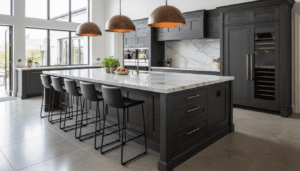
Remodeling for resale involves making strategic improvements to increase a home’s market value, with the primary goal of selling the property. This type of remodeling is often focused on appealing to potential buyers and can include updates such as modernizing the kitchen, renovating bathrooms, and enhancing curb appeal.
To maximize return on investment (ROI), homeowners should consider the local real estate market trends and the types of renovations that are most sought after by buyers. For instance, a well-designed kitchen renovation can recoup a significant portion of its cost at resale.
| Renovation Type | Average Cost | ROI at Resale |
|---|---|---|
| Kitchen Renovation | $25,000 | 80-100% |
| Bathroom Renovation | $15,000 | 70-90% |
| Curb Appeal Enhancements | $5,000 | 100-150% |
What is Remodeling for Lifestyle?
On the other hand, remodeling for lifestyle is about personalizing your living space to suit your needs, preferences, and lifestyle. This could involve creating open-plan living areas, incorporating smart home technology, or designing spaces that cater to your hobbies or interests.
The key to successful lifestyle remodeling is understanding your personal needs and priorities. Whether it’s creating a home office, a gym, or an entertainment area, the goal is to enhance your living experience and make your home more enjoyable and functional.
Some popular lifestyle remodeling projects include:
- Creating open-plan living spaces to enhance family interaction
- Incorporating energy-efficient and sustainable features
- Designing custom storage solutions to improve organization
By understanding the basics of remodeling for resale and lifestyle, homeowners can make informed decisions that align with their goals, whether it’s to sell their property or to create their dream home.
Key Differences Between Resale and Lifestyle Remodeling
The decision to remodel can be driven by various factors, including the desire to increase resale value or improve living conditions. Homeowners in Dayton, OH, must consider their goals and priorities when deciding on property upgrades. Whether the aim is to undertake renovation projects for resale or to enhance their lifestyle, understanding the differences between these approaches is crucial.
Purpose and Goals
The primary purpose of resale remodeling is to maximize the return on investment (ROI) by making sell-ready renovations that appeal to potential buyers. This could involve updating kitchens, bathrooms, and enhancing curb appeal. On the other hand, lifestyle remodeling focuses on improving the living conditions and functionality of the home to suit the homeowner’s personal preferences and needs.
As noted by a remodeling expert, “The key to successful remodeling is understanding the homeowner’s goals.”
“Whether you’re looking to flip and sell renovations or create a dream home, the remodeling process should be tailored to your specific objectives.”
Financial Considerations
Financial considerations play a significant role in determining the type of remodeling project to undertake. Resale remodeling typically involves budgeting for projects that are known to have a high ROI, such as kitchen and bathroom renovations. In contrast, lifestyle remodeling may involve more personalized and potentially costly renovation projects that may not necessarily recoup their investment at resale.
- Resale remodeling: Focus on cost-effective upgrades that appeal to a wide range of buyers.
- Lifestyle remodeling: Involves more personalized spending, potentially on high-end finishes and custom designs.
Design Trends
Design trends can significantly influence both resale and lifestyle remodeling projects. For resale, it’s essential to incorporate timeless and universally appealing designs that can attract potential buyers. For lifestyle remodeling, homeowners can opt for more contemporary and personalized design trends that reflect their taste and preferences.
For instance, incorporating sustainable features and smart home technology can be a significant selling point for resale properties. Meanwhile, for lifestyle remodeling, homeowners might choose to include unique architectural elements or custom cabinetry that reflects their personal style.
Factors to Consider Before Remodeling for Sale
The decision to remodel before selling your home in Dayton, OH, involves several key considerations, including location and market trends. Homeowners must weigh the potential return on investment (ROI) against the costs of renovations.
Location and Market Trends
Understanding the local real estate market is crucial. Market trends can significantly influence the resale value of your property. For instance, certain features may be more desirable in your area, such as modern kitchens or additional bedrooms.
To make informed decisions, consider the following:
- Research recent sales of similar homes in your neighborhood.
- Identify the most sought-after features in your local market.
- Consult with local real estate experts to gain insights into current trends.
Budgeting for Resale Projects
Effective budgeting is critical for home renovation projects aimed at resale. It’s essential to allocate resources wisely to maximize ROI.
| Renovation Type | Average Cost | Potential ROI |
|---|---|---|
| Kitchen Renovation | $15,000 – $30,000 | 80% – 100% |
| Bathroom Renovation | $8,000 – $15,000 | 70% – 90% |
| Exterior Paint | $3,000 – $6,000 | 90% – 120% |
ROI of Home Improvements
Not all property renovations yield the same ROI. Some improvements, like curb appeal enhancements, can significantly impact a buyer’s first impression.
When evaluating potential renovations, consider the following factors:
- The current condition of your home.
- The average ROI for different types of renovations in your area.
- The potential impact on resale value.
By carefully considering these factors and staying informed about market trends, homeowners can make strategic decisions about their home renovation projects, ultimately enhancing the resale value of their property.
Popular Remodeling Projects for Resale in Dayton
In Dayton, OH, certain remodeling projects stand out for their ability to enhance a home’s resale value, making them worthwhile investments for homeowners.
When considering remodeling for resale, it’s essential to focus on projects that potential buyers find most appealing. Here are some of the most popular remodeling projects that can significantly boost a home’s attractiveness and value.
Kitchen Upgrades
The kitchen is one of the most critical areas of the home when it comes to resale. Upgrading the kitchen can significantly increase a home’s value. Popular kitchen upgrades include:
- Installing new countertops made of granite or quartz
- Updating kitchen cabinets with modern designs
- Replacing old appliances with energy-efficient models
Impact on Resale Value: Kitchen upgrades can recoup up to 80% of their cost at resale, making them a valuable investment.
Bathroom Renovations
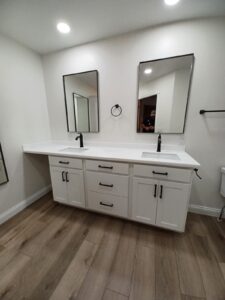
Bathroom renovations are another highly effective way to increase a home’s resale value. Modernizing the bathroom with new fixtures, tiles, and vanities can make a significant difference.
- Updating the shower or bathtub with new fixtures
- Installing new flooring and tiles
- Replacing old vanities with modern designs
Return on Investment: Bathroom renovations can yield a return on investment of up to 70%.
Curb Appeal Enhancements
Curb appeal is crucial for making a good first impression on potential buyers. Enhancing the exterior of the home can significantly boost its attractiveness.
- Painting the exterior with a fresh coat of paint
- Replacing the front door with a modern design
- Landscaping the front yard with plants and flowers
Impact: Curb appeal enhancements not only attract buyers but can also increase the home’s value by making it more desirable.
| Remodeling Project | Average Cost | Return on Investment |
|---|---|---|
| Kitchen Upgrades | $20,000 – $30,000 | Up to 80% |
| Bathroom Renovations | $10,000 – $20,000 | Up to 70% |
| Curb Appeal Enhancements | $5,000 – $10,000 | Variable, but significant |
By focusing on these popular remodeling projects, homeowners in Dayton, OH, can significantly enhance their home’s resale value and attractiveness to potential buyers.
Remodeling for Lifestyle: Making Your Space Personal
Remodeling for lifestyle is about transforming your living space into a haven that mirrors your personal style and meets your daily needs. Unlike remodeling for resale, which focuses on increasing a home’s market value, lifestyle remodeling is centered on creating a comfortable, functional, and aesthetically pleasing environment tailored to the homeowner’s preferences.
Customization vs. Standardization
One of the key aspects of lifestyle remodeling is the ability to customize your space. This involves moving beyond standard designs and incorporating elements that reflect your personality and lifestyle. Customization allows homeowners to create unique spaces that are not only beautiful but also highly functional. For instance, a homeowner who loves cooking might opt for a kitchen remodel that includes a large island for food preparation, ample storage for cookware, and high-end appliances.
In contrast, standardization can result in a space that feels generic and lacks character. While standard designs can be cost-effective and efficient, they often fail to meet the specific needs and desires of the homeowner. By choosing customization, homeowners can ensure that their remodel enhances their lifestyle and provides a sense of personal satisfaction.
Incorporating Sustainable Features
Incorporating sustainable features into your remodel is not only good for the environment, but it can also enhance your home’s comfort and reduce utility costs. Sustainable remodeling involves using eco-friendly materials, improving energy efficiency, and reducing waste. Examples include installing solar panels, using recycled materials for countertops and flooring, and incorporating energy-efficient appliances and lighting.
Sustainable remodeling can also involve innovative design elements, such as green roofs, rainwater harvesting systems, and passive heating and cooling techniques. These features not only reduce your home’s environmental footprint but can also increase its value and appeal to future buyers if you decide to sell.
Enhancing Comfort and Functionality
At its core, lifestyle remodeling is about enhancing the comfort and functionality of your home. This can involve a wide range of projects, from expanding living areas and improving natural lighting to creating outdoor spaces that are perfect for relaxation or entertainment. Enhancing functionality might include reconfiguring layouts to improve flow, adding storage solutions, or incorporating smart home technology to make your life easier.
Ultimately, the goal of lifestyle remodeling is to create a home that is not only beautiful but also comfortable and functional. By focusing on customization, sustainability, and functionality, homeowners can create a living space that truly reflects their personality and enhances their quality of life.
Balancing Personal Taste with Market Trends
The key to a successful remodel lies in balancing your personal vision with the expectations of potential buyers. When remodeling your home in Dayton, OH, it’s essential to strike a balance between what you want and what the market expects.
Understanding Buyer Preferences
Understanding what buyers are looking for is crucial. Buyers in Dayton, OH, typically look for modern amenities, functional spaces, and aesthetic appeal.
Innovations vs. Classic Designs
Deciding between innovative and classic designs depends on your target audience and the local market trends. While innovative designs can attract tech-savvy buyers, classic designs often appeal to a broader audience.
The Role of Color and Materials
The choice of color and materials can significantly impact the appeal of your home. Neutral colors and high-quality materials are generally preferred as they are timeless and easy to work with.
| Design Element | Classic Designs | Innovative Designs |
|---|---|---|
| Color Scheme | Neutral tones like beige and gray | Bold colors and unique patterns |
| Materials | Traditional materials like wood and stone | Modern materials like glass and steel |
| Lighting | Warm, cozy lighting | Bright, energy-efficient LED lighting |
Hiring Professionals vs. DIY Remodeling
Homeowners in Dayton, OH, must weigh the benefits of hiring local contractors against the potential savings of DIY remodeling. The decision between these two approaches depends on several factors, including the project’s complexity, your budget, and your personal preferences.
Benefits of Hiring Local Contractors
Hiring local contractors for your remodeling project comes with several advantages. Firstly, they bring expertise and experience to the table, ensuring that the work is done to a high standard. Local contractors are also familiar with local building codes and regulations, reducing the risk of costly mistakes or legal issues.
Another significant benefit is the time-saving aspect. Contractors can manage the project from start to finish, including hiring subcontractors, obtaining necessary permits, and ensuring that the work is completed on time. This allows homeowners to focus on their daily lives without the added stress of managing a remodeling project.
When to DIY
While hiring professionals is often the best choice for complex remodeling projects, there are instances where DIY remodeling makes sense. Simple tasks such as painting, installing new fixtures, or updating lighting can be easily handled by homeowners. DIY projects can also be a cost-effective way to make minor improvements, as they eliminate labor costs.
However, it’s crucial to be realistic about your skills and the project’s complexity. Taking on a project that’s beyond your capabilities can lead to subpar results and potentially costly repairs down the line.
Cost Implications of Each Approach
The cost implications of hiring contractors versus DIY remodeling are significant. Hiring professionals typically involves higher upfront costs due to labor expenses. However, their expertise can prevent costly mistakes and ensure that the project is done right the first time.
On the other hand, DIY remodeling can save on labor costs, but it requires a significant investment of your time and potentially money if you need to correct mistakes. It’s also important to consider the cost of materials, which can be the same regardless of whether you hire a contractor or do it yourself.
In conclusion, the decision between hiring professionals and DIY remodeling should be based on a careful consideration of your project’s specifics, your budget, and your capabilities. By weighing the benefits and drawbacks of each approach, you can make an informed decision that meets your needs and enhances your home’s value.
Legal and Permitting Considerations
When planning a remodeling project in Dayton, OH, it’s crucial to understand the local regulations and permitting requirements. Compliance with these regulations is not only mandatory but also helps in avoiding costly fines and project delays.
Local Regulations Overview
Dayton, OH, has specific building codes and zoning laws that govern remodeling projects. These regulations are designed to ensure that all constructions and renovations meet certain safety and aesthetic standards. Homeowners should familiarize themselves with these regulations to avoid any legal issues.
Some key aspects of local regulations include:
- Building permits for major renovations
- Zoning laws affecting property use and structure
- Environmental regulations for projects impacting natural habitats
The Importance of Obtaining Permits
Obtaining the necessary permits is a critical step in the remodeling process. Permits ensure that your project complies with local building codes and regulations, thereby safeguarding the quality and safety of the work.
Here are some reasons why permits are important:
- Ensures compliance with safety standards
- Verifies that the work meets local building codes
- Provides a record of the work done, which can be beneficial for resale
| Type of Permit | Description | Typical Cost |
|---|---|---|
| Building Permit | Required for most construction and renovation projects | $100-$500 |
| Electrical Permit | Necessary for electrical work, including wiring and lighting installations | $50-$200 |
| Plumbing Permit | Needed for plumbing work, such as installing new fixtures or pipes | $50-$200 |
Avoiding Common Permitting Mistakes
Homeowners often make mistakes when dealing with permits, which can lead to project delays and additional costs. Some common mistakes include:
- Not obtaining the necessary permits before starting work
- Underestimating the cost and time required for permitting
- Failing to comply with permit requirements and inspections
To avoid these mistakes, it’s advisable to work closely with your contractor, who should be familiar with local regulations and permitting processes. Additionally, staying informed and proactive can help ensure a smooth remodeling process.
Timing Your Remodeling Projects Wisely
Understanding the best time to remodel can make all the difference for Dayton homeowners. The success of a remodeling project often depends on various factors, including the time of year and how well you plan ahead.
Seasonal Trends in Dayton
In Dayton, OH, the climate and seasonal trends play a significant role in determining the best time for remodeling. Generally, spring and fall are considered ideal seasons for remodeling projects due to the mild weather, which facilitates both outdoor and indoor work.
During these seasons, contractors can work more efficiently, and there’s less risk of weather-related delays. For instance, roofing projects are best undertaken in the spring or fall to avoid the harsh conditions of summer heat or winter snow.
- Spring: Ideal for outdoor projects like deck renovations and landscaping.
- Fall: Suitable for projects that require dry conditions, such as painting and flooring installations.
- Winter: Can be a good time for interior projects that don’t rely on outdoor work, like kitchen and bathroom remodels.
- Summer: Often the busiest season for contractors, which might lead to longer wait times for project starts.
Planning Ahead for Resale
If you’re remodeling with the intention of selling your home in the near future, it’s crucial to plan ahead. Focus on projects that offer a high return on investment (ROI), such as kitchen upgrades and bathroom renovations.
| Project Type | Average ROI in Dayton |
|---|---|
| Kitchen Remodel | 80-100% |
| Bathroom Renovation | 70-90% |
| Roofing Replacement | 60-80% |
Renovation Timeline Expectations
Understanding the renovation timeline is vital to managing your expectations and planning your life around the project. The duration of a remodeling project can vary significantly based on its scope and complexity.
- Small projects (e.g., painting a single room): 1-3 days.
- Medium projects (e.g., bathroom renovation): 2-6 weeks.
- Large projects (e.g., whole-house remodel): 3-6 months or more.
By considering these factors and planning accordingly, Dayton homeowners can ensure their remodeling projects are completed on time and within budget, whether they’re remodeling for resale or personal enjoyment.
The Emotional Impact of Remodeling
The process of remodeling is not just about changing the physical structure of your home; it’s also about understanding its emotional impact. Remodeling can be a significant life event that affects various aspects of your life and your family’s well-being.
How Remodeling Affects Family Dynamics
Remodeling can significantly influence family dynamics, as it often involves changes to the living space that can either bring family members closer together or create tension. For instance, a kitchen renovation might mean that meals are prepared in a different area, potentially altering family mealtime dynamics.
Communication is key during this process. It’s essential to involve all family members in the decision-making process to ensure that everyone’s needs and preferences are considered. This can help mitigate potential conflicts and make the remodeling process smoother.
Selling Your Home: An Emotional Journey
Selling your home is not just a financial transaction; it’s an emotional journey. The home you’re selling has likely been the backdrop for numerous memories, both joyous and sorrowful. Understanding this emotional aspect can help homeowners navigate the selling process more effectively.
When preparing your home for sale, it’s crucial to strike a balance between making it look attractive to potential buyers and preserving the personal touches that make it special. Depersonalizing your home can make it easier for buyers to envision themselves living there, but it’s also important to leave some personal touches to make the home feel welcoming.
Creating Memorable Spaces
Remodeling is an opportunity to create spaces that are not just functional but also memorable. Whether it’s a cozy reading nook or a spacious kitchen, the design choices you make can significantly impact how you and your family experience your home.
Consider the following table, which outlines some key considerations for creating memorable spaces:
| Space | Design Considerations | Emotional Impact |
|---|---|---|
| Living Room | Comfortable seating, ample lighting | Encourages family bonding and relaxation |
| Kitchen | Functional layout, quality appliances | Makes meal preparation and dining enjoyable |
| Bedroom | Calming colors, comfortable bedding | Promotes restful sleep and personal retreat |
By thoughtfully designing each space, you can create a home that is not only beautiful but also emotionally resonant.
Conclusion: Which Remodeling Approach is Right for You?
Deciding between remodeling for resale and remodeling for lifestyle depends on your unique circumstances and priorities. Understanding the differences between these two approaches is crucial in making an informed decision that aligns with your remodeling goals.
Assessing Your Remodeling Objectives
To determine the best remodeling approach, consider your current situation and future plans. If you’re planning to sell your home in Dayton, OH, a resale-focused remodel can increase your property’s value. On the other hand, if you’re committed to staying in your home for an extended period, a lifestyle-oriented remodel can enhance your living experience.
Evaluating your remodeling goals involves considering factors such as your budget, personal preferences, and the local real estate market. By weighing these factors, you can choose a remodeling approach that meets your needs and achieves your desired outcome.