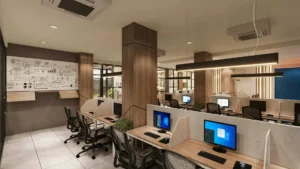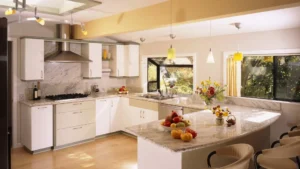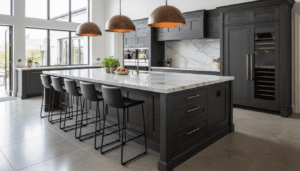
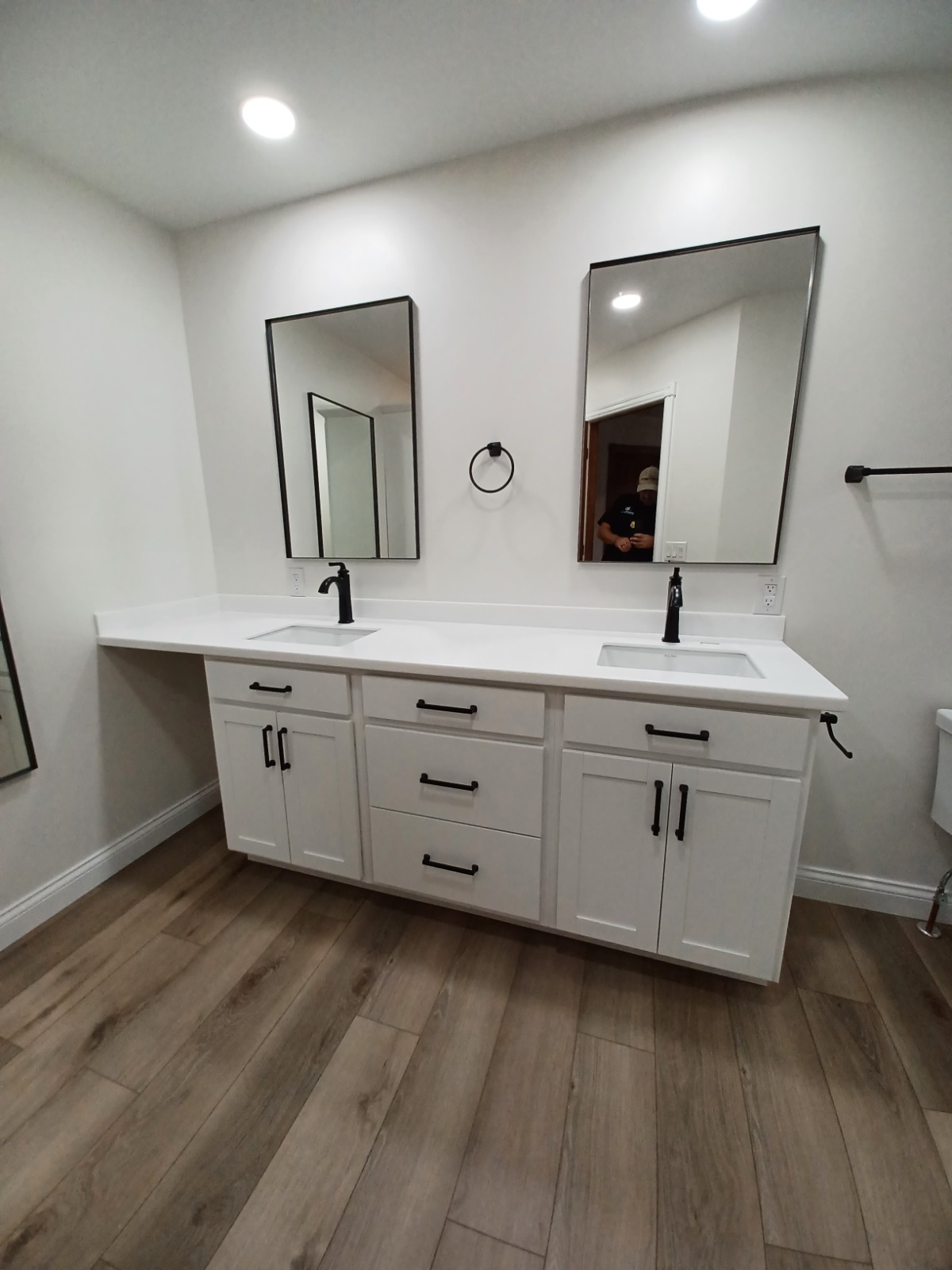
For years, Dream Big Contracting has been known around Beavercreek and Dayton for residential work: kitchens, bathrooms, basements, and additions. We now bring that same design-build approach to commercial spaces, helping local business owners remodel offices, retail stores, and medspas. If the only contractor you have ever hired was for your home, a commercial project can feel like a different world. In several important ways, it is. Here is what actually changes when the space you are renovating is a business rather than a house, and what stays exactly the same.
The Short Version
The core difference between residential and commercial remodeling is the code the project is built to, and everything that follows from it. Homes and businesses are governed by separate building codes in Ohio, and the commercial side brings stricter requirements for permitting, plan review, building systems, and accessibility. The craftsmanship and the day-to-day project management look similar. The rulebook, the timeline pressures, and the stakes are what change.
The Building Code Is the Biggest Difference
In Ohio, one, two, and three family homes are built and remodeled under the Residential Code of Ohio. Commercial buildings fall under the Ohio Building Code, the 2024 edition of which is based on the 2021 International Building Code with Ohio-specific amendments. Those are two different rulebooks with different expectations, and a project that would be routine in a house can carry real requirements in a commercial space.
Work in an existing commercial building is handled through Ohio’s existing-building provisions, where the guiding principle is that whatever you alter has to meet current code, even if the rest of the building does not. So a commercial remodel does not force the entire building up to today’s standard, but everything you touch has to meet it.
The requirement that catches the most business owners off guard is change of occupancy. If a new use differs from the space’s prior approved use, for example a retail unit becoming a restaurant or an office becoming a clinic, the project triggers a change of occupancy. In Ohio that generally requires sealed plans from a registered design professional, and it can pull egress, accessibility, and plumbing fixture counts up to current requirements based on the new occupant load. There is no equivalent trigger when you remodel a kitchen in your house.
Permitting and Inspections Work Differently
Residential permits are often straightforward. Commercial permitting usually runs through a formal plan review, where submitted drawings are checked against the code before a permit is issued. In Greene County, that review is handled by the county’s own certified building department rather than by the state, which is one reason local knowledge matters on a commercial job.
The other difference is the finish line. A residential remodel wraps when the work passes final inspection. A commercial project frequently cannot be occupied until a certificate of occupancy is issued, which comes after inspections at defined phases of the work. That certificate has to be built into the schedule from the beginning, because for a business it is the difference between opening on time and sitting on a finished space you are not allowed to use yet.
The Systems and Accessibility Bar Is Higher
Commercial spaces carry more people and more demanding uses, so the building systems behind the walls have to do more. Electrical capacity, mechanical systems, and plumbing are all governed by their own commercial codes, and a build-out often has to account for the load the new use will actually put on the space. A medspa build-out, for instance, may need dedicated plumbing and power that a comparable home renovation never would.
Accessibility is the other big one. Commercial work has to meet accessibility requirements, and alterations cannot reduce the accessibility a building already has. That shapes everything from door widths and restrooms to entrances and routes through the space. It is a layer of planning that simply does not exist on most residential projects.
A Commercial Project Runs on a Business Timeline
A home remodel runs on the household’s schedule. A commercial project runs on the business’s, and that changes how the work has to be planned. A tenant build-out is often racing a lease commencement date. An office remodel may need to happen around working hours so staff stay productive. A retail remodel has to weigh every day the doors are closed against lost sales.
That pressure is why coordination matters even more on the commercial side. When a designer hands off to a general contractor who hands off to subcontractors, the gaps between them turn into delays, and on a business timeline delays are expensive in a way they rarely are at home.
What Stays Exactly the Same
Here is the part that matters most if you already know Dream Big from residential work: the approach does not change. The same design-build model that keeps a home remodel organized is what keeps a commercial project on track. One team handles planning, permitting, and construction. One point of contact carries the project from the first site visit to the final walkthrough. The same transparent process, the same warranty, and the same local accountability that earned a 4.9 rating from more than 70 reviews on the residential side apply to commercial projects too.
The craftsmanship is the same. The communication is the same. What we added is the code knowledge, permitting experience, and coordination a commercial build demands, so a business owner gets the contractor they already trust with the expertise a commercial project requires.
Where Dream Big Fits
If you are a Dayton-area business owner weighing a remodel or a build-out, the differences above are exactly the things a good commercial contractor should be handling for you, not leaving on your plate. Dream Big now offers full commercial remodeling services across Beavercreek, Dayton, and the surrounding communities, with dedicated pages for office remodeling, retail spaces, medspa build-outs, and tenant build-outs. It is the same team you would trust with your home, applied to the space that runs your business.
Frequently Asked Questions
What is the difference between residential and commercial remodeling?
The main difference is the building code and the requirements that come with it. Residential remodels in Ohio follow the Residential Code of Ohio, while commercial projects follow the Ohio Building Code, which brings stricter rules for permitting, plan review, building systems, and accessibility. The construction skills overlap heavily, but commercial projects add layers like formal plan review, change-of-occupancy rules, and certificates of occupancy that residential work usually does not involve. Understanding those layers is what separates a smooth commercial project from a stalled one.
Can a residential remodeling company handle commercial projects?
Yes, a residential remodeler can handle commercial work when it brings the added code and permitting expertise a commercial project requires. The core craft and project management carry over directly. What a commercial job adds is knowledge of the Ohio Building Code, commercial plan review, and coordination against business timelines. Dream Big built its reputation on residential remodeling across the Beavercreek and Dayton area and now applies that same design-build approach to commercial spaces.
Why do commercial remodels usually cost more than residential ones?
Commercial remodels usually cost more because they carry more requirements, not just more square footage. Formal plan review, sealed drawings from a registered design professional when a change of occupancy applies, higher-capacity building systems, and accessibility compliance all add to the scope. The exact cost depends entirely on the space and the work, so the honest answer is that it varies, and a clear itemized scope is the only way to know for your project. Dream Big provides that scope up front so there are no surprises mid-project.
How is the building code different for a commercial project in Ohio?
Commercial projects follow the Ohio Building Code, a separate rulebook from the residential code, and its existing-building provisions. The 2024 Ohio Building Code is based on the 2021 International Building Code with Ohio amendments. Whatever you alter has to meet current code, changing the use of a space can trigger a change of occupancy with its own requirements, and in Greene County the plan review is handled by the county’s certified building department. These are the rules a commercial contractor should be managing on your behalf.
Does Dream Big still handle residential remodeling?
Yes, residential remodeling is still core to what Dream Big does. Kitchens, bathrooms, basements, and additions across the Beavercreek and Dayton area remain a primary focus. Adding commercial services does not replace the residential work, it extends the same design-build approach to a new kind of client. Homeowners and business owners both get the same team, process, and standards.
Thinking About a Commercial Project?
If your office, store, or space is ready for a remodel or a build-out, Dream Big Contracting can walk you through what your specific project will involve. We serve small and midsize businesses across Beavercreek, Dayton, Kettering, Xenia, Springfield, Fairborn, and surrounding Ohio communities. Call us at (937) 358-6642 or request a free estimate to get started.