The holidays have a way of making homeowners look at their homes differently.
The kitchen suddenly feels too small once you’re prepping a full Thanksgiving spread. The guest bathroom that seemed fine all year looks dated the moment family is staying over. The living room doesn’t quite fit everyone comfortably. And that half-finished basement or built-in you’ve been putting off becomes a lot harder to ignore.
For homeowners in Beavercreek, Dayton, and Fairborn, the question isn’t just “do I want to remodel” — it’s whether there’s realistically enough time to do it right before guests arrive, and whether Greene or Montgomery County permitting will fit inside that window.
Is there enough time to complete the project, and is it actually worth doing now?
Not every remodeling project makes sense to start before the holidays. Some improvements can make a real difference in a matter of weeks. Others — particularly anything that touches structural walls, electrical, or plumbing — need to go through permitting first, which changes the math. Here’s how to think it through.
Is There Still Enough Time to Remodel Before the Holidays?
The honest answer depends on scope, and on whether your project needs a permit.
In Beavercreek, purely cosmetic interior remodeling — new cabinets, countertops, flooring, paint, fixtures — generally doesn’t require a separate municipal zoning permit. But any work involving electrical, plumbing, or mechanical trades still requires the applicable trade permit through Greene County Building Regulation, and Greene County’s residential permit process requires two complete sets of plans submitted with your application, along with at least one-third of the permit fee paid upfront before review begins.
That process takes time — time that needs to be built into your schedule before you count backward from Thanksgiving or Christmas Eve.
Before committing to a pre-holiday start date, walk through:
- The scope of the project — cosmetic refresh vs. layout changes
- Whether the work triggers an electrical, plumbing, or mechanical permit
- Design and material selection time (especially for special-order cabinets, countertops, or fixtures)
- Contractor availability — fall is a busy season for Dayton-area remodelers
- Realistic construction time once permits and materials are in hand
- A buffer for the unexpected — older Dayton and Beavercreek homes often reveal surprises once walls or flooring come up
If your goal is a finished space before guests arrive, don’t work backward from the holiday itself. Work backward from permit approval, then add construction time, then add a buffer. That’s the schedule that actually holds.
Which Remodeling Projects Make the Biggest Difference for Holiday Guests?
If your budget or timeline is limited, you don’t need to remodel the whole house. Focus on the rooms your family and guests will actually use.
Kitchen Remodeling
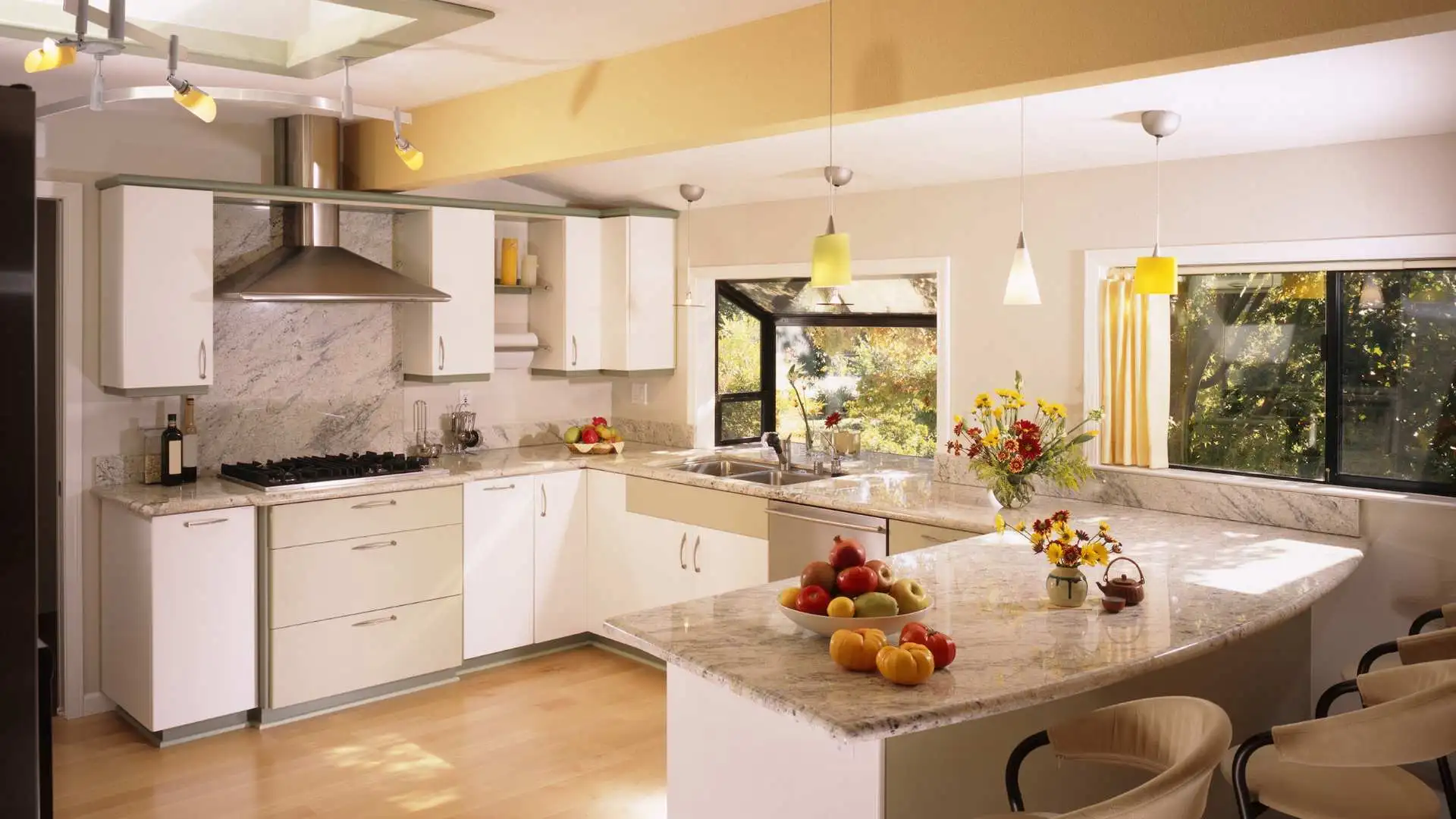
The kitchen carries the holidays. If you’re hosting Thanksgiving or a large family gathering, you’ll spend more time here than anywhere else in the house — cooking, prepping, serving, and talking with guests who inevitably end up in the kitchen no matter where you seat them.
High-impact, faster-turnaround kitchen improvements include:
- Better storage and organization
- Updated countertops
- Refaced or updated cabinets
- Improved task and ambient lighting
- A more functional prep layout
- Updated flooring and finishes
A full layout change — moving plumbing or removing a load-bearing wall — is a different timeline conversation. See our kitchen remodeling page for what a full renovation involves.
Bathroom Remodeling
Guest bathrooms get noticed the moment you have visitors. If yours is outdated, cramped, or shows its age, even a focused update — new fixtures, updated lighting, refreshed flooring — can make the space feel considerably more welcoming without a gut renovation.
If ventilation or moisture issues are part of what’s bothering you about the space, that’s worth addressing properly rather than cosmetically — we cover the Ohio code side of that in our bathroom mold and ventilation code post. It’s a better use of a compressed timeline to fix the underlying issue than to paint over it before company arrives.
Living and Entertaining Areas
Holiday gatherings mean more people spending more time in shared spaces. If your current layout makes it hard to seat, feed, and move people through the living and dining areas, that’s a legitimate remodeling priority — not just an aesthetic one.
Removing unnecessary barriers, improving flow, or opening up sightlines between the kitchen and living area can make a bigger difference for hosting than a cosmetic update would.
Kitchen vs. Bathroom vs. Living Space: What Should You Remodel First?
If you can’t do everything, prioritize by impact, not by appearance.
Ask: where will the biggest improvement actually be felt during the holidays?
| Your biggest concern | Area to consider |
|---|---|
| Not enough cooking or prep space | Kitchen |
| Outdated or cramped guest bathroom | Bathroom |
| Not enough room for guests to gather | Living/entertaining area |
| Poor traffic flow between rooms | Layout-focused remodeling |
| Lack of storage | Kitchen, bathroom, or built-ins |
| Need a finished space for overnight guests | Basement finishing — see our basement egress compliance guide before you plan a guest bedroom down there |
The best project isn’t the one that photographs best. It’s the one that solves the problem your household is actually dealing with.
Which Improvements Add Comfort Instead of Just Appearance?
Holiday remodeling doesn’t have to be about how the house looks for photos. Some improvements make a home more functional every day of the year, not just during hosting season:
- Better kitchen storage reduces everyday clutter
- Improved lighting makes rooms more usable, not just brighter for guests
- A better layout makes entertaining — and daily life — easier
- Added bathroom functionality improves everyday routines, not just holiday impressions
- Durable flooring holds up better in high-traffic areas long after guests leave
That’s a useful filter when you’re deciding whether a project is worth doing now: will it still be paying off in March?
Which Projects Should You Avoid Starting Too Close to the Holidays?
Not every project should be rushed because a date on the calendar is approaching. Larger, permit-heavy renovations need real planning and review time, and Greene County’s process — two full plan sets, upfront fees, and formal plan review — isn’t something to compress.
Be cautious about starting these too close to a holiday deadline:
- Projects involving structural changes (removing or altering load-bearing walls)
- Additions
- Whole-home renovations
- Significant layout changes that move plumbing or electrical
- Projects depending on special-order or long-lead materials
Forcing a permit-dependent renovation into an unrealistic deadline usually creates more stress than it solves. Sometimes the right call is to plan the project now — finalize design, get it through Greene County review, order materials — and start construction once the holidays are behind you.
Should You Remodel Now or Wait Until After the Holidays?
This comes down to your specific project and your specific timeline — not the calendar in general.
Remodel before the holidays if:
- You have a specific, well-defined problem to solve
- The project doesn’t require a permit, or you have enough lead time to clear Greene County review
- The space will genuinely be used by guests this season
- You have the budget confirmed and available
- You’re comfortable with the realistic construction timeline, buffer included
- The improvement will keep paying off well past the holidays
Consider waiting if:
- The project is larger than you can comfortably complete in the time left
- Scope or design decisions aren’t finalized yet
- Materials haven’t been selected or ordered
- The timeline would require rushing permit review or construction
- The project would disrupt your actual holiday plans
There’s nothing wrong with waiting. Planning a remodel a few months ahead of construction almost always produces better design decisions, a smoother permit process, and a better final result than compressing everything into a deadline.
How to Prioritize a Holiday Remodel on a Budget
You don’t have to do everything at once. Identify the one or two areas that will have the greatest impact:
Priority 1: Fix the kitchen’s biggest functional problem.
Priority 2: Improve the guest bathroom.
Priority 3: Address the living area’s layout or finishes.
Larger improvements can follow later. This lets you improve what matters most without turning your whole home into a job site right before you’re hosting family.
Don’t Let a Holiday Deadline Force a Bad Remodeling Decision
There’s a natural instinct to think: “If I want this done before Thanksgiving, I need to start immediately.” But speed shouldn’t be the only factor, especially once permitting is involved.
A good remodeling decision starts with a clear answer to:
- What you want to change, specifically
- Why it matters to your household
- What you’re comfortable investing
- How long the project realistically takes — permitting included
- How the improvement benefits your home after the holidays are over
The goal isn’t a kitchen or bathroom that looks new for one weekend of company. It’s a home that works better for your family for years afterward.
So, Should You Remodel Before the Holidays?
For some Beavercreek and Dayton-area homeowners, yes — if there’s a specific space causing real problems and the project can realistically clear permitting and construction in the time available.
For others, the better move is to use the fall to plan and design the project properly, clear it through Greene County review, and start construction once the holidays have passed.
Either way, base the decision on your home’s actual needs, your budget, and a realistic timeline — not just the date on the calendar.
Planning a Remodel Before the Holidays?
If you’re weighing a kitchen, bathroom, living space, or larger remodeling project in Beavercreek, Dayton, or Fairborn, Dream Big Contracting can help you evaluate what’s realistic for your timeline and walk you through what Greene County permitting will require. As a veteran-owned, 4.9-rated local contractor, we’d rather give you a straight answer on timing than rush a project that isn’t ready.
Before committing to a remodel, start with one question: what improvement would make the biggest difference for your family? That answer helps decide what to do now, what to plan for later, and what isn’t worth doing at all. Contact Dream Big Contracting for a timeline consultation.
Frequently Asked Questions
Is there enough time to remodel my kitchen before Thanksgiving in the Dayton area?
It depends on scope — a cosmetic update (countertops, cabinet refacing, lighting, flooring) is often achievable in a matter of weeks, but any layout change involving plumbing or electrical needs to clear Greene County permitting first.
Purely cosmetic interior remodeling in Beavercreek generally doesn’t require a separate zoning permit, but electrical, plumbing, or mechanical work still requires the applicable trade permit, and Greene County’s residential process requires two complete plan sets and at least one-third of the fee upfront before review starts.
The mistake most homeowners make is counting backward from Thanksgiving without accounting for permit review time. Count forward from today instead: design and material selection, then permitting if needed, then construction, then a buffer.
Contact Dream Big Contracting for a realistic timeline assessment on your specific project.
Do I need a permit to remodel my kitchen or bathroom in Beavercreek or Greene County?
A standalone zoning permit usually isn’t required for cosmetic interior remodeling in Beavercreek, but trade permits for electrical, plumbing, or mechanical work are required through Greene County Building Regulation.
Structural changes — removing or altering a load-bearing wall, finishing a basement, or moving plumbing — typically do require permitting and plan review, submitted with two complete sets of plans and partial fees paid upfront.
Homeowners are frequently surprised that “just moving a sink” or “just taking out a wall” triggers a permit. Confirm permit status before you finalize a holiday deadline, not after demolition has started.
Ask Dream Big Contracting to confirm what permits your specific project needs before you commit to a start date.
What home improvements can I realistically finish in 4 to 6 weeks before the holidays?
Cosmetic, non-structural updates — countertop replacement, cabinet refacing, lighting upgrades, flooring, fixture updates, and paint — are the projects most likely to fit a 4-to-6-week window.
These projects generally avoid the longer lead times tied to structural permitting and plan review, though special-order materials (custom countertops, specific tile, or cabinetry) can still extend the timeline if not ordered early.
Material lead time, not labor, is usually the real constraint on a compressed timeline. Lock in selections early and confirm supplier lead times before you commit to a completion date.
Talk to Dream Big Contracting about which updates fit your timeline and budget.
Should I wait until after the holidays to start a major renovation?
For larger, permit-dependent projects — additions, structural changes, whole-home renovations — waiting is often the better call if there isn’t enough runway to clear design, permitting, and construction comfortably.
Using the fall to finalize design, complete the Greene County plan review process, and order materials means construction can start immediately after the holidays instead of competing with them.
A rushed permit-dependent renovation tends to produce worse design decisions and more mid-project surprises than one that was planned properly, even if it starts a few months later.
Start the planning conversation with Dream Big Contracting now so construction can begin as soon as the holidays wrap up.
What’s the biggest risk of rushing a remodel before a holiday deadline?
The biggest risk is compressing design and material decisions to the point where corners get cut, which tends to show up as regret once the holidays are over and the rush is no longer the priority.
Rushed projects are also more likely to run into permitting surprises, material delays, or the “unexpected issues” older Dayton and Beavercreek homes tend to reveal once work starts — with no buffer left to absorb them.
A realistic timeline with a buffer built in almost always beats an aggressive one without it — even if the realistic version means the project isn’t quite finished by a specific date. Get a straight-talk timeline assessment from Dream Big Contracting before you commit to a holiday deadline.