Starting a home improvement project feels exciting but often becomes quite expensive. When updating a restroom, managing a renovation budget remains a significant priority for most homeowners. You want a fresh look without overspending on every single decorative piece.
Finding affordable bathroom vanities doesn’t mean you have to sacrifice quality or style. Proper planning helps you find a perfect balance between modern luxury and total financial savings. Everyone deserves a space that feels like a personal spa.
This guide offers smart tips for your next interior upgrade. We explore ways to keep your project simple and relatively cheap. High-quality results are entirely possible even when you are watching every penny spent on installation and general costs.
Choosing the right materials and fixtures makes a huge difference in the final price. You can achieve a high-end look on a small scale with the right expert advice. Let’s look at how to transform your space effectively.
Key Takeaways
- Set a firm spending limit before browsing stores.
- Look for all-in-one furniture kits to save money.
- Reuse existing plumbing lines to lower labor fees.
- Compare multiple contractor bids for the best deal.
- Select durable materials that last for many years.
- Consider store floor models for deep price discounts.
Understanding Bathroom Vanity Installation Costs
When planning a bathroom renovation, understanding the costs associated with vanity installation is crucial. The cost of bathroom vanity installation can significantly impact your overall budget, and being informed helps you make better decisions.
The cost of bathroom vanity installation varies based on several factors, including the type of vanity, materials used, and labor costs. To get a clear picture, let’s break down the average cost ranges and what’s typically included in these costs.
Average Cost Ranges for Vanity Installation
The vanity installation prices can range widely, from $200 to $2,000 or more, depending on the complexity of the job and the materials chosen. Here’s a breakdown of typical costs:
| Installation Type | Average Cost |
|---|---|
| Basic Vanity Installation | $200 – $500 |
| Standard Vanity Installation | $500 – $1,200 |
| Custom Vanity Installation | $1,200 – $2,500 |
What’s Included in Installation Costs
Understanding what’s included in the vanity cost estimation is vital. Typically, installation costs cover the vanity itself, labor, and any necessary plumbing adjustments. It’s essential to confirm what’s included with your contractor to avoid unexpected expenses.
By grasping the average cost ranges and understanding what’s included in the installation costs, you can better plan your bathroom renovation and avoid surprises.
Key Factors That Affect Your Bathroom Vanity Installation Costs
Several elements can impact the overall cost of bathroom vanity installation, from the vanity’s size to labor rates. Understanding these factors can help homeowners budget more effectively for their bathroom renovation.
Vanity Size and Configuration Impact on Price
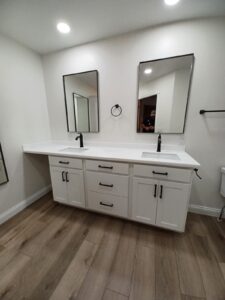
The size and configuration of the vanity are significant factors in determining the installation cost. Larger vanities or those with complex configurations, such as double sinks or intricate designs, typically cost more to install. For instance, a standard single-sink vanity might cost between $200 to $500 to install, while a larger double-sink vanity could cost $500 to $1,500 or more, depending on the complexity of the installation.
Plumbing Modifications and Relocations
If the new vanity requires changes to the existing plumbing, this can add to the overall cost. Relocating plumbing fixtures can be particularly expensive due to the labor involved. Homeowners should factor in the potential for plumbing modifications when budgeting for their vanity installation.
Regional Labor Rate Differences
Labor rates vary significantly by region, affecting the total cost of vanity installation. Urban areas tend to have higher labor rates compared to rural areas. For example, hiring a plumber in a major city like New York or Los Angeles may cost $100 to $200 per hour, while in smaller towns, the rate might be $50 to $100 per hour.
Existing Vanity Removal and Disposal
The cost of removing and disposing of the existing vanity is another factor to consider. This process can add to the overall expense, especially if the old vanity is large or difficult to remove. Some contractors may include removal and disposal in their installation quote, so it’s essential to clarify this when hiring a professional.
| Factor | Average Cost Impact | Description |
|---|---|---|
| Vanity Size | $100-$500 | Larger vanities cost more to install. |
| Plumbing Modifications | $200-$1,000 | Changes to plumbing can significantly increase costs. |
| Regional Labor Rates | $100-$500 | Labor costs vary by region. |
| Existing Vanity Removal | $50-$200 | Removal and disposal costs vary based on vanity size and complexity. |
By understanding these key factors, homeowners can better plan and budget for their bathroom vanity installation, avoiding unexpected expenses and ensuring a successful renovation.
Budget-Friendly Vanity Options Under $500
For homeowners on a budget, there are several affordable bathroom vanities available that can enhance the aesthetic of their bathroom without breaking the bank. When looking to save money, it’s essential to explore various options that offer quality and style at a lower price point.
One of the most cost-effective ways to achieve a new look is by considering ready-to-assemble vanity cabinets. These cabinets are not only budget-friendly but also offer the flexibility to customize according to your bathroom’s dimensions.
Ready-to-Assemble Vanity Cabinets
Ready-to-assemble (RTA) vanity cabinets are a popular choice among homeowners looking for budget-friendly vanities. They are typically priced lower than pre-assembled cabinets and can be found at various online retailers. RTA cabinets come with detailed instructions, making it possible for DIY enthusiasts to assemble them without professional help.
Some benefits of RTA vanity cabinets include:
- Cost savings on labor
- Customization options to fit your bathroom’s specific needs
- A wide range of styles and finishes available
Stock Vanities from Home Depot and Lowe’s
Another affordable option is to explore stock vanities from well-known retailers like Home Depot and Lowe’s. These stores offer a variety of affordable bathroom vanities that are both stylish and functional. Stock vanities are pre-manufactured in standard sizes, making them readily available for purchase and quick installation.
Space-Saving Wall-Mounted Options
For smaller bathrooms, space-saving wall-mounted vanities are an excellent choice. These vanities not only provide the necessary storage but also create the illusion of more space by keeping the floor clear. Wall-mounted vanities are available in various styles and can be found within the budget of $500.
By considering these budget-friendly options, homeowners can achieve their desired bathroom makeover without exceeding their budget. Whether you opt for RTA cabinets, stock vanities, or wall-mounted options, there’s a cost-effective solution available to suit your needs.
Mid-Range Affordable Vanities Between $500 and $1,500
Mid-range vanities, priced between $500 and $1,500, provide a sweet spot for those looking to upgrade their bathroom without breaking the bank. This price range offers a wide array of options that balance quality, style, and functionality.
Semi-Custom Vanity Solutions
Semi-custom vanity solutions are a hallmark of mid-range vanities. They offer the flexibility to customize certain aspects of the vanity, such as size, material, and finish, without the high costs associated with fully custom designs. According to a report by the National Kitchen and Bath Association, semi-custom cabinets are a popular choice among homeowners due to their balance of quality and affordability.
One of the key benefits of semi-custom vanities is their ability to be tailored to specific bathroom dimensions and design preferences. For instance, Wellborn Cabinetry offers a range of semi-custom vanity options that can be configured to fit unique bathroom layouts.
Engineered Stone and Laminate Countertops
When it comes to countertops, mid-range vanities often feature engineered stone or laminate options. Engineered stone countertops, such as those made by Caesarstone, offer durability and a luxurious appearance at a lower cost than natural stone. Laminate countertops, on the other hand, provide an affordable and versatile option that can mimic the look of more expensive materials.
A comparison of countertop materials is essential to understand their benefits and drawbacks. The following table highlights the key differences between engineered stone and laminate countertops:
| Material | Durability | Cost | Aesthetic Appeal |
|---|---|---|---|
| Engineered Stone | High | Moderate to High | High |
| Laminate | Moderate | Low to Moderate | Moderate |
Affordable Double Sink Vanities
Double sink vanities are a desirable feature for many homeowners, and the mid-range market offers several affordable options. These vanities not only enhance the functionality of the bathroom but also add a touch of luxury. “A double sink vanity can significantly improve the morning routine for households with multiple occupants,” notes a bathroom design expert.
When selecting an affordable double sink vanity, consider factors such as the material, size, and configuration. For example, a double sink vanity with a granite or quartz countertop can provide a high-end look without the hefty price tag associated with custom installations.
DIY Installation vs. Hiring a Professional
The choice between DIY installation and hiring a professional for your bathroom vanity can significantly impact your project’s overall cost and success. While DIY projects can be rewarding, they also come with challenges, especially when it comes to installations that involve plumbing and electrical work.
Cost Savings with DIY Installation
One of the primary reasons homeowners consider DIY vanity installation is to save on labor costs. By taking on the project yourself, you can potentially save hundreds or even thousands of dollars, depending on the complexity of the job and the rates of local professionals.
Key areas where DIY can save you money include:
- Labor costs, which can range from $200 to $500 or more, depending on the complexity of the installation
- Markup on materials, as professionals often charge more for materials to cover their costs and make a profit
Essential Tools and Skills Needed
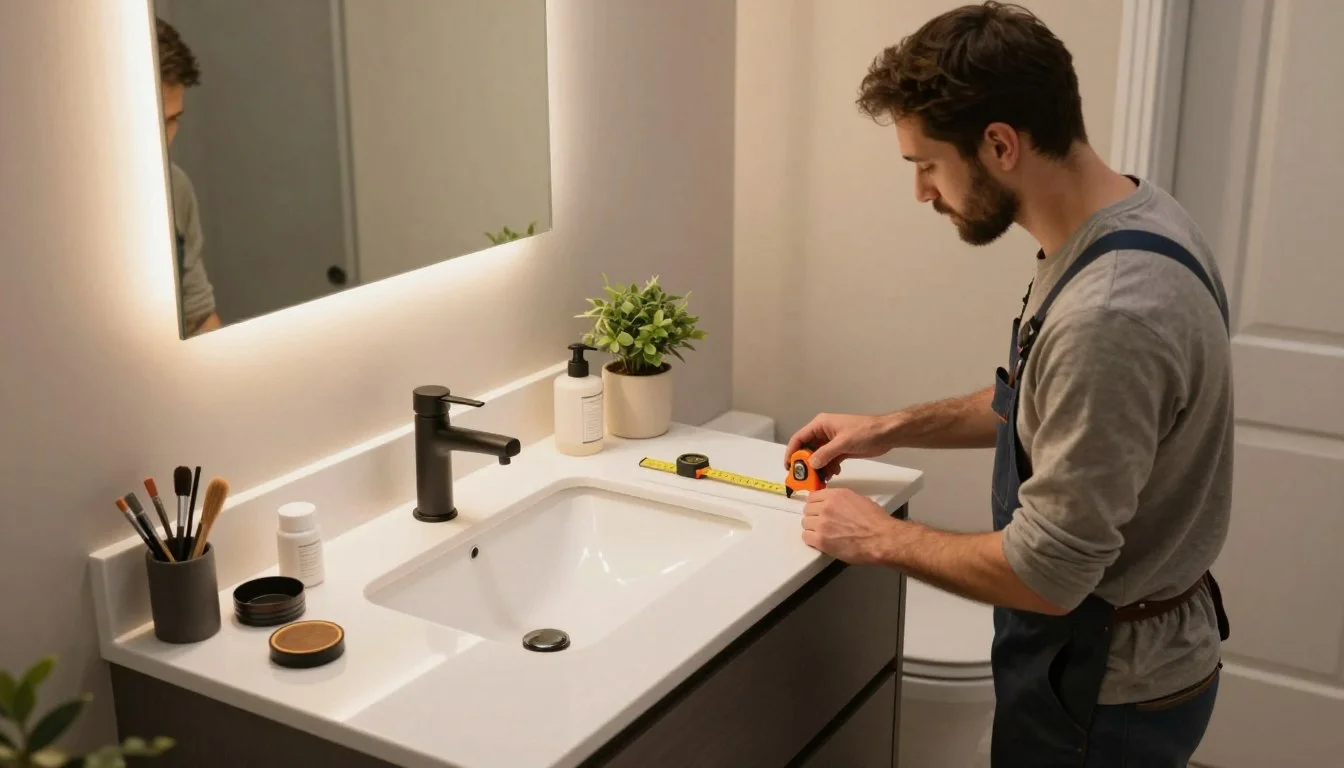
Before embarking on a DIY vanity installation, it’s crucial to assess whether you have the necessary tools and skills. Essential tools may include a tape measure, level, wrench set, and plumbing tools. You’ll also need basic carpentry skills and the ability to work with plumbing and potentially electrical systems.
When Professional Installation Is Worth the Cost
While DIY installation can be cost-effective, there are situations where hiring a professional is the better choice. If your project involves significant plumbing or electrical work, or if you’re not comfortable with the complexity of the installation, it’s wise to hire a professional.
Typical Labor Costs by Region
Labor costs for bathroom vanity installation can vary significantly by region due to differences in cost of living, labor rates, and local regulations. Here’s a breakdown of average labor costs in different parts of the United States:
| Region | Average Labor Cost |
|---|---|
| Northeast | $450 – $700 |
| South | $350 – $550 |
| Midwest | $300 – $500 |
| West Coast | $500 – $800 |
Understanding these costs can help you make a more informed decision about whether to DIY or hire a professional for your bathroom vanity installation.
Seven Smart Ways to Reduce Installation Expenses
To save money on your bathroom vanity installation, consider these seven smart strategies. Installing a new bathroom vanity can be a significant investment, but there are several ways to reduce the costs without compromising on quality or aesthetics.

By implementing these cost-saving measures, homeowners can enjoy their new bathroom vanity without breaking the bank. The key is to be informed and plan carefully.
Maintain Your Current Plumbing Layout
One of the most effective ways to reduce installation costs is to maintain your current plumbing layout. Changing the plumbing configuration can significantly increase the overall cost due to the additional labor and materials required.
This approach not only saves on plumbing adjustments but also minimizes the risk of potential leaks or issues that can arise from reconfiguring the plumbing system.
Time Your Purchase for Maximum Savings
Timing your purchase strategically can also lead to substantial savings. Look out for sales and discounts offered by retailers, especially during holiday weekends and clearance events.
Many home improvement stores offer significant discounts on bathroom fixtures and vanities during certain times of the year.
Get Multiple Contractor Estimates
Obtaining estimates from multiple contractors is crucial in finding the best deal. Ensure that each contractor provides a detailed breakdown of the costs involved, including labor, materials, and any additional fees.
This will enable you to compare the estimates effectively and make an informed decision.
Salvage and Reuse Existing Components
Where possible, salvaging and reusing existing components can be a cost-effective approach. For instance, if your current vanity is in good condition, consider refinishing or repainting it instead of replacing it entirely.
This not only saves money but also reduces waste and supports sustainable home renovation practices.
Cost-Effective Materials and Finish Choices
To save on bathroom vanity installation costs, it’s essential to consider cost-effective materials and finishes. The right choices can significantly reduce expenses without compromising on style or quality.
Affordable Countertop Materials That Look Expensive
Countertops can be a significant portion of the vanity cost. Engineered quartz and laminate countertops are affordable options that mimic the look of expensive materials. Engineered quartz, for instance, offers the appearance of natural stone at a lower price point. Laminate countertops have also evolved, offering a variety of designs that can convincingly replicate the look of more expensive surfaces.
Another option is butcher block countertops, which provide a warm, natural aesthetic. While they require more maintenance than other materials, they can be a cost-effective choice for those looking for a unique look.
Particle Board vs. Plywood Cabinet Construction
When it comes to cabinet construction, the choice between particle board and plywood can significantly affect the cost. Particle board is generally cheaper but less durable than plywood. Plywood, on the other hand, offers greater stability and resistance to moisture, making it a better choice for bathrooms despite being more expensive.
| Material | Cost | Durability |
|---|---|---|
| Particle Board | Lower | Less Durable |
| Plywood | Higher | More Durable |
Budget Hardware and Faucet Options
Hardware and faucets can also be chosen to fit a budget. Brass or bronze-finished hardware can add a touch of luxury without the high price tag of solid brass or bronze. For faucets, consider single-handle models or those with ceramic discs for durability and style.
Shopping during sales or opting for last year’s model can also yield significant savings on both hardware and faucets.
Hidden Costs You Should Plan For
When planning a bathroom vanity installation, it’s crucial to consider not just the upfront costs but also the potential hidden expenses that can arise during the project. Being aware of these costs can help you budget more effectively and avoid unexpected financial surprises.
Surprise Plumbing Repairs and Updates
During the installation process, you may discover that your existing plumbing system requires updates or repairs to accommodate the new vanity. This can include replacing old or corroded pipes, upgrading to meet current building codes, or relocating plumbing fixtures. For instance, a homeowner in California might need to upgrade their plumbing to comply with local water conservation regulations.
Electrical Upgrades for Lighting and Outlets
If you’re installing a new vanity with integrated lighting or need to add more outlets, you may need to upgrade your electrical system. This can involve hiring a licensed electrician to ensure the work is done safely and to code. As electrical safety is paramount, it’s essential to hire a professional for this task.
| Hidden Cost | Average Cost Range |
|---|---|
| Plumbing Repairs | $200-$1,000 |
| Electrical Upgrades | $150-$500 |
| Drywall Repair | $100-$300 |
Drywall Repair and Repainting
Removing the old vanity and installing a new one can sometimes result in damage to the surrounding drywall. Repairing this damage and repainting the walls to match the existing finish can add to your overall costs. It’s advisable to factor in at least a few hundred dollars for these repairs.
Demolition Disposal and Building Permits
Disposing of the old vanity and any debris from the installation can incur additional costs. Furthermore, depending on the scope of your project, you may need to obtain building permits, which can also add to your expenses. As one contractor noted, “The cost of permits can vary significantly by jurisdiction, so it’s crucial to check with your local building department.”
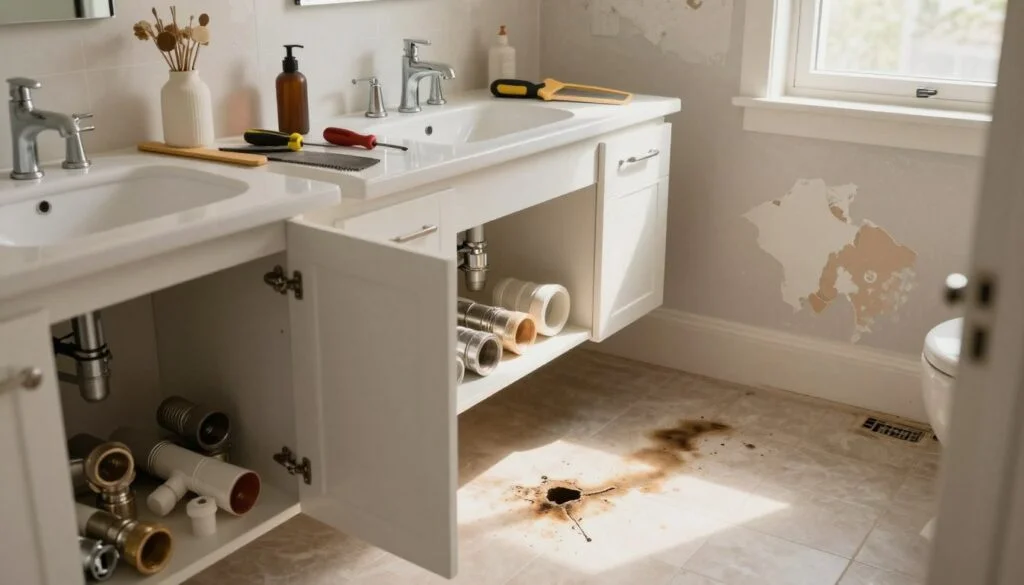
By understanding these potential hidden costs, you can better plan your bathroom renovation and avoid financial surprises. It’s always a good idea to budget extra for unexpected expenses to ensure a smooth renovation process.
Bathroom Vanity Installation Costs: A Comprehensive Guide
Understanding bathroom vanity installation costs is crucial for a successful renovation. By exploring affordable bathroom vanities and cost-effective solutions, homeowners can achieve their desired bathroom makeover without breaking the bank.
Throughout this article, we’ve discussed various factors that affect bathroom vanity installation costs, including vanity size, plumbing modifications, and regional labor rates. We’ve also highlighted budget-friendly options, such as ready-to-assemble vanity cabinets and stock vanities from Home Depot and Lowe’s.
To save on installation expenses, consider maintaining your current plumbing layout, timing your purchase for maximum savings, and getting multiple contractor estimates. By implementing these cost-saving strategies and choosing affordable bathroom vanities, you can enjoy a beautiful, functional bathroom renovation while staying within your budget.